Table of Contents
Why Did My Cheesecake Crack? In this article, the answer will be revealed. I’m going to be discussing the various reasons why cheesecakes might crack during baking. I’ll go over some of the most common causes of cracking, as well as tips on how to avoid it in future baking endeavours.
What is Cheesecake?
Cheesecake is a dessert that is made with cheese. The most common type of cheesecake is made with cream cheese, eggs, sugar, and sour cream. There are many variations of cheesecake, including ones that are made with ricotta cheese or cottage cheese. Cheesecake can be baked or unbaked. It can also be topped with fruit or a chocolate glaze.
Cheesecake is thought to have originated in ancient Greece. The earliest known mention of cheesecake is in the works of the Greek poet Hesiod, who wrote about a cheesecake-like dish in the 8th century B.C. In the 2nd century A.D., the Roman cookbook Apicius included a recipe for “libum,” a cake made with cheese and flour.
During the Middle Ages, cheesecakes were often made with cottage cheese or cream cheese. These early versions of cheesecake were more like custards or thick pies than the light, fluffy desserts we know today.
Cheesecake became popular in America during the 18th century, when German and British brought their recipes for the dessert with them when they immigrated. New York style cheesecake, which is dense and creamy, became the most popular type of cheesecake in the United States after World War II.
There are now countless variations on cheesecake, from savory to sweet, simple to complex.
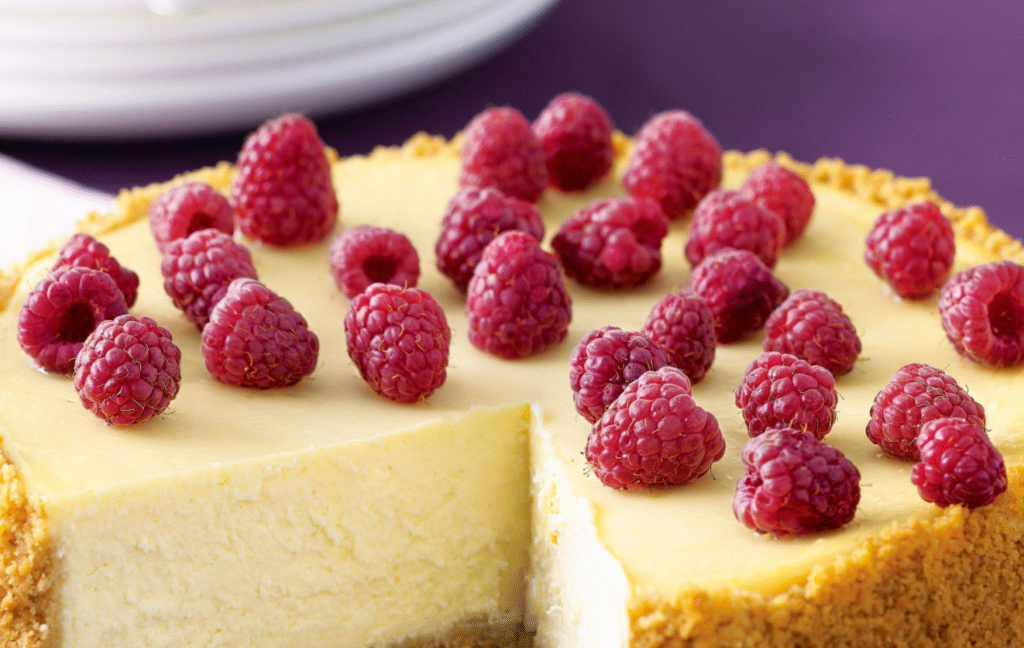
Cheesecake Making
There are many different ways to make cheesecake, but the most important part is to use high quality ingredients. Otherwise, your cheesecake will be dry, crumbly, and not very flavorful.
The first step is to make the crust. You can either buy a pre-made crust or make your own. If you’re making your own, you’ll need to combine graham cracker crumbs, sugar, and melted butter. Once you’ve mixed everything together, press it into the bottom of a 9-inch springform pan.
Next, it’s time to make the filling. Start by beating cream cheese until it’s smooth. Then, add in sugar and eggs and mix everything together until well combined. Finally, stir in vanilla extract and lemon juice.
Pour the filling into the crust and smooth it out. Then, bake the cheesecake at 350 degrees for about an hour. The key is to not overcook it – you want the center to be slightly jiggly when you take it out of the oven.
Once it’s done, let the cheesecake cool completely. Then, cover it with plastic wrap and refrigerate it for at least 4 hours, or overnight.
When you’re ready to serve, top the cheesecake with your favorite fruit or sauce.
Why Did My Cheesecake Crack?
There are a few reasons why cheesecakes crack, and understanding these reasons can help you avoid it in the future.
One common reason for cracking is over-baking. Cheesecakes are done baking when the center is just set and slightly jiggly. If you bake your cheesecake for too long, the heat will cause the proteins in the eggs to tighten and contract, which will cause cracks on the surface.
Another reason for cracking can be due to drastic temperature changes. When cheesecakes are cooled too quickly, such as by placing them in the refrigerator or freezer, the sudden change in temperature can also cause cracks. To avoid this, it’s best to let your cheesecake cool slowly at room temperature before transferring it to the fridge or freezer.
If your cheesecake cracks despite following these tips, don’t worry! The cracks can usually be hidden with some whipped cream or chocolate sauce.

How to Fix Cracking on Cheesecake?
If you find that your cheesecake is cracking, there are a few things that you can do in order to try and fix the problem.
First, make sure that you have followed the recipe correctly and that all of the ingredients are properly mixed together. If the batter is too thick, it can cause the cake to crack. Try adding a bit more liquid to thin it out.
Secondly, be careful not to over bake the cake. When it is done baking, the center should still be slightly jiggly. If it is overcooked, it will be dry and crumbly and more likely to crack.
Lastly, avoid using metal pans when baking cheesecake as they can conduct heat too quickly and cause the cake to crack. Use an insulated pan or a silicone baking mat instead.
How to Keep Cheesecake from Cracking?
When it comes to cheesecake, there’s nothing more frustrating than having it crack in the oven. Here are some tips and tricks to prevent cheesecake cracks from happening:
- Don’t overmix the batter. Overmixing can cause the cheesecake to bake too quickly and rise too much, which can lead to cracks.
- Don’t open the oven door while the cheesecake is baking. Every time you open the oven door, heat escapes and can cause the cheesecake to crack.
- Bake the cheesecake at a low temperature. Baking at a low temperature will help prevent the cheesecake from cracking.
- Make sure the ingredients are at room temperature before adding them to the batter. Room temperature ingredients mix together better and will help prevent the cheesecake from cracking.
- Use a water bath. A water bath helps keep the cheesecake moist and prevents it from cracking.
- Avoid overbaking the cheesecake. Overbaking can cause the cheesecake to crack.
- Let the cheesecake cool gradually. If you try to cool the cheesecake too quickly, it can crack. Letting it cool gradually will help prevent cracks.
- Chill the cheesecake in the fridge for at least 4 hours. Chilling the cheesecake will help it set and will help prevent cracks.
With these tips, you’re sure to have a smooth and crack-free cheesecake every time!
FAQs on Why Did My Cheesecake Crack
Is Cheesecake Still Good If It Cracks?
Cheesecake is a delicious dessert that can be enjoyed by people of all ages. However, some people may wonder if cheesecake is still good to eat if it cracks.
While there is no definitive answer, most experts agree that cracked cheesecake is still safe to eat. Cracks can occur for a variety of reasons, such as the cake being overcooked or not cooled properly. However, as long as the cracks do not go all the way through the cake and the filling is not exposed, then the cake should be fine to eat.
If you are worried about cracked cheesecake, then you can try covering the cracks with frosting or another type of topping. This will help to mask any imperfections and make the cake look more presentable.
If you are still not sure whether or not cracked cheesecake is safe to eat, then you can always contact a professional baker or chef for their opinion. They will likely be able to tell you if the cake is still edible or not.
How Should a Cheesecake Look When It’s Done?
A cheesecake is done when the edges are slightly browned and the center is just set. The center should jiggle ever so slightly when you tap the pan on the counter. It’s important not to overcook cheesecake or it will be dry.
To test for doneness, insert a small knife into the center of the cake. If the knife comes out clean, the cake is done. If there is still raw batter on the knife, then the cake needs to bake longer.
If you’re unsure whether your cheesecake is done, err on the side of caution and take it out of the oven sooner rather than later. Better to have a slightly undercooked cheesecake than an overcooked one!

What Happens If You Overbake Cheesecake?
If you over bake cheesecake, the edges will become dry and brown while the center will be overcooked and fluffy. The texture of the cheesecake will be ruined, so it’s important to keep a close eye on it while it’s baking. If you think it might be done before the timer goes off, take it out of the oven and check its progress. You don’t want to end up with a dry and crumbly cheesecake!
Do You Put Cheesecake in the Fridge Right After Baking?
You might be wondering if you should put cheesecake in the fridge right after baking. While it is not required, it is generally recommended to help prevent spoilage. If you do choose to refrigerate your cheesecake, be sure to wrap it tightly in plastic wrap or aluminum foil to avoid freezer burn.
How Do You Know When Cheesecake Goes Bad?
Cheesecake is a delicious dessert that can be enjoyed by people of all ages. However, like all food items, it does have a shelf life and will eventually go bad. So how can you tell when your cheesecake has gone bad?
There are a few key indicators that your cheesecake is no longer safe to eat. The first is the appearance of the cake. If the cheesecake has started to develop mold, it should not be consumed. Additionally, if the cake has changed color or texture, it is also likely spoiled.
The second indicator that your cheesecake has gone bad is the smell. If the cake smells sour or unpleasant, it is likely spoiled and should not be eaten.
If you are unsure whether or not your cheesecake has gone bad, it is always best to throw it out rather than risk getting sick. Always follow the expiration date listed on the packaging to ensure that you are eating a safe and fresh dessert.
What Makes a Cheesecake Dense or Fluffy?
There are two schools of thought when it comes to cheesecake. Some people prefer a dense, rich cheesecake while others like a fluffy, airy one. So what makes a cheesecake dense or fluffy?
The main difference between a dense and fluffy cheesecake is the amount of air that’s incorporated into the batter. A denser cheesecake will have less air, while a fluffier cheesecake will have more.
The type of cheese also plays a role in how dense or fluffy your cheesecake will be. Ricotta and cream cheese will make for a denser cake, while mascarpone and cottage cheese will result in a lighter, fluffier cake.
So if you’re looking for a dense, rich cheesecake, make sure to incorporate less air into the batter and use ricotta or cream cheese. If you want a fluffy, airy cake, incorporate more air and use mascarpone or cottage cheese.
Should I Leave My Cheesecake in the Oven to Cool?
Leaving your cheesecake in the oven to cool can be a bit of a conundrum. Some people say that it’s better to let your cheesecake cool slowly in the oven, while others recommend taking it out of the oven and letting it cool on a wire rack. So, what’s the right thing to do?
Well, it depends on the recipe. Some recipes call for cooling the cheesecake in the oven, while others don’t mention anything about cooling it. If you’re not sure whether or not your recipe calls for cooling the cheesecake in the oven, you can always test it out. Bake the cheesecake according to the recipe, then let it cool completely before tasting it. If it’s too firm or if the crust is overbaked, then you probably should have taken it out of the oven to cool.
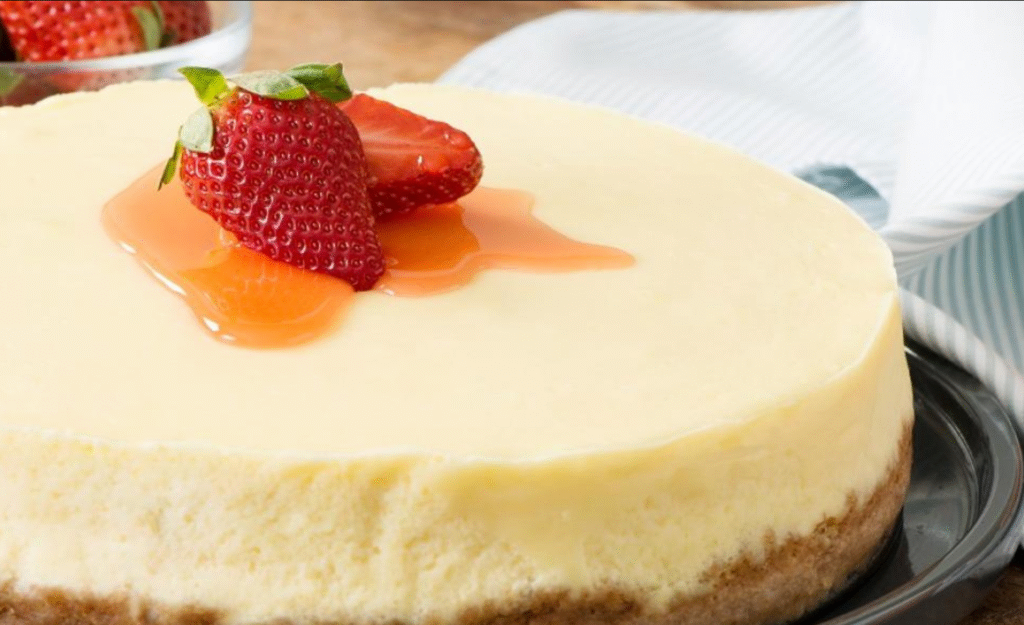
Why Does My Cheesecake Have Bubbles?
One reason could be that you overmixed the batter, which caused too much air to be incorporated into it.
Another possibility is that your oven temperature was too high, causing the cake to rise too quickly and form bubbles.
Finally, if you didn’t let the cheesecake cool slowly enough, the sudden change in temperature could also cause bubbling.
To avoid these problems in the future, be careful not to overmix the batter, watch your oven temperature, and let the cake cool slowly by either turning off the oven and leaving the door ajar or by letting it sit out at room temperature for an hour or so before refrigerating it.
Conclusion
We hope this article has helped you understand the science behind cheesecake baking and given you some tips to help prevent your cheesecakes from cracking. If you have any questions or comments, please feel free to share them with us. Thank you for reading “Why Did My Cheesecake Crack?”
Thank you for reading Ohsnap Cupcakes!