Table of Contents
Today we’ll explore what happens if you over knead dough and the consequences of doing so. Keep in mind that over kneading isn’t always a bad thing – it just depends on the recipe you’re using. There’s a lot of debate over when is the best time to stop kneading dough. Some say when it’s smooth, others when it reaches a certain consistency. So read on to learn more!
What is Dough?
Dough is a thick, malleable substance that is often used in baking and cooking. It is made by combining flour, water, and other ingredients and then kneading it into a smooth, pliable consistency. Dough can be used to make a variety of different foods, such as bread, pies, pastries, and cookies. There are many different types of dough, each with its own unique properties and uses.
There are several different types of dough, each with its own distinct characteristics. The most common types of dough include:
- Bread dough: Bread dough is a type of dough that is typically used to make yeast breads. It is made by combining flour, water, yeast, and other ingredients. The dough is then kneaded and left to rise until it doubles in size. Once it has doubled in size, the dough is shaped into a loaf and baked in the oven.
- Cookie dough: Cookie dough is a type of dough that is used to make cookies. It is made by combining flour, butter, sugar, eggs, and other ingredients. The dough is then formed into small balls and baked in the oven.
- Pie crust dough: Pie crust dough is a type of dough that is used to make pies. It is made by combining flour, butter, salt, and water. The dough is then rolled out into a thin sheet and placed into a pie dish. The pie is then filled with a filling of your choice and baked in the oven.

The Reason Why You Knead Dough
Kneading dough is an important step in baking bread, as it helps to form a smooth, elastic dough that will rise evenly. When you knead dough, you are working the gluten proteins in the flour to form long, strong strands. This gives the bread structure and allows it to rise properly.
Kneading also helps to distribute the yeast evenly throughout the dough so that it can do its job of creating carbon dioxide gas and alcohol. The alcohol adds flavor to the bread while the carbon dioxide gas helps the bread to rise.
How Do You Knead Dough?
There are several different ways that you can knead dough. The most common methods include:
Hand-kneading: Hand-kneading is the most traditional method of kneading dough. To hand-knead dough, flour your hands and then place the dough on a clean, floured surface. Fold the dough in half and then push down with the heels of your hands. Turn the dough a quarter turn and then repeat the process. Continue kneading until the dough is smooth and elastic.
Machine-kneading: Machine-kneading is a quicker method of kneading dough. To machine-knead dough, place the dough in a stand mixer fitted with the dough hook attachment. Turn the mixer on to a low speed and let it knead the dough for you. The dough is ready when it is smooth and elastic.
What Happens If You Over Knead Dough?
If you over knead dough, it will become tough and difficult to work with. The gluten strands will become too strong and the dough will be very elastic. This can make it difficult to shape the dough and it may not rise properly.
How to Prevent the Over-Kneading of Dough
There are a few things that you can do to prevent the over-kneading of dough. First, make sure that you follow the recipe instructions carefully. If the recipe does not specify how long to knead the dough, err on the side of caution and stop kneading when the dough is smooth and elastic.
Another thing that you can do is to use a machine to knead the dough. This will help to prevent the over-kneading of dough as it is difficult to overwork the dough when using a machine.
Finally, if you are hand-kneading the dough, take breaks every few minutes so that your arms don’t get too tired. This will help to prevent you from overworking the dough.
Over-kneading dough is a common mistake that can be easily avoided by following the recipe instructions carefully, using a machine to knead the dough, or taking breaks if you are hand-kneading the dough. By avoiding the over-kneading of dough, you will be able to make bread that is soft, fluffy, and delicious.
Why Is Over Kneading Bad?
As mentioned earlier, over kneading dough will result in a tough and elastic dough that is difficult to work with. Additionally, over kneaded dough may not rise properly and will produce bread that is dense and heavy. So, if you want to make soft, fluffy, and delicious bread, be sure to avoid over kneading the dough.

How to Know When Your Bread is Over-Kneaded or Under-Kneaded?
There are a few ways to tell if your bread is over-kneaded or under-kneaded. One way is to look at the dough. Under-kneaded dough will be sticky and shaggy while over-kneaded dough will be tough and elastic.
Another way to tell if your bread is over-kneaded or under-kneaded is to perform the windowpane test. To do this, take a small piece of dough and stretch it out until it is thin enough to see through. If the dough stretches without tearing, then it is kneaded enough. If the dough tears, then it needs to be kneaded more.
Finally, you can tell if your bread is over-kneaded or under-kneaded by the way it bakes. Under-kneaded dough will produce bread that is dense and heavy while over-kneaded dough will produce bread that is tough and dry.
So, if you want to make soft, fluffy, and delicious bread, be sure to knead the dough until it is smooth and elastic and avoid over-kneading or under-kneading the dough.
Kneading the Dough Properly
Kneading the dough properly is essential for making soft, fluffy, and delicious bread. To knead the dough properly, follow the recipe instructions carefully, use a machine to knead the dough, or take breaks if you are hand-kneading the dough.
Additionally, avoid over-kneading or under-kneading the dough. Over-kneading will result in a tough and elastic dough that is difficult to work with while under-kneading will produce bread that is dense and heavy. So, be sure to knead the dough until it is smooth and elastic.
By following these tips, you will be able to make soft, fluffy, and delicious bread that everyone will love.
Kneading the dough is an important step in breadmaking. It develops the gluten, which gives bread its structure, and helps to aerate the dough, which makes it light and fluffy. There are a few things that you need to know in order to knead the dough properly.
First, make sure that you follow the recipe instructions carefully. If the recipe does not specify how long to knead the dough, err on the side of caution and stop kneading when the dough is smooth and elastic.
Another thing that you can do is to use a machine to knead the dough. This will help to prevent the over-kneading of dough as it is difficult to overwork the dough when using a machine.
Finally, if you are hand-kneading the dough, take breaks every few minutes so that your arms don’t get too tired. This will help to prevent you from overworking the dough.
Understanding How Different Types of Flour Affect the Dough
The type of flour that you use will also affect the dough. Different types of flour have different protein content, which affects the gluten development.
Bread flour, for example, has a higher protein content than all-purpose flour. This means that it will develop more gluten, which is ideal for bread recipes that call for a lot of rising, such as yeast breads.
On the other hand, all-purpose flour has a lower protein content than bread flour. This means that it will develop less gluten, which is ideal for recipes that don’t require a lot of rising, such as quick breads and cookies.
So, when you are choosing a flour for your recipe, be sure to choose one that is appropriate for the type of recipe that you are making.
Now that you know how to knead the dough properly and understand how different types of flour affect the dough, you are well on your way to baking delicious bread at home.
Understanding The Importance Of Temperature While Kneading The Dough
The temperature of the dough is also important to consider while kneading. If the dough is too cold, it will be difficult to work with and will take longer to rise. If the dough is too hot, it will be sticky and difficult to handle.
Ideally, you want the dough to be around 80 degrees Fahrenheit. This is warm enough to activate the yeast but not so hot that it will kill it.
If you are using a stand mixer, you can test the temperature of the dough by placing your hand on the side of the bowl while the mixer is running.
If the dough is too cold, you can warm it up by placing it in a microwave-safe bowl and heating it in short bursts of 30 seconds until it reaches the desired temperature.
If the dough is too hot, you can cool it down by placing it in the refrigerator for a few minutes.
By understanding the importance of temperature while kneading the dough, you can be sure that your dough will rise properly and be easy to work with. This will result in delicious, homemade bread that everyone will love.
How to Make the Perfect Bread Dough
Now that you know the basics of breadmaking, it’s time to put your knowledge to the test. Follow these tips and you will be well on your way to making the perfect bread dough.
Ingredients:
- 1 cup (250 ml) of water
- 1 tablespoon (15 ml) of sugar
- 1 teaspoon (5 ml) of salt
- 2 tablespoons (30 ml) of oil
- 3 cups (750 ml) of flour
- 2 teaspoons (10 ml) of active dry yeast
Instructions:
- Place all of the ingredients into a stand mixer and mix on low speed until the ingredients are combined.
- Increase the speed to medium and mix for 5 minutes. The dough should be smooth and elastic.
- If the dough is too sticky, add additional flour, 1 tablespoon (15 ml) at a time, until it is the correct consistency.
- If the dough is too dry, add additional water, 1 tablespoon (15 ml) at a time, until it is the correct consistency.
- Place the dough into a greased bowl, cover, and let rise in a warm place for 1 hour.
- After the dough has risen, shape it into a loaf and place it on a greased baking sheet. Bake at 350 degrees Fahrenheit (180 degrees Celsius) for 30 minutes or until golden brown. Let cool before slicing.
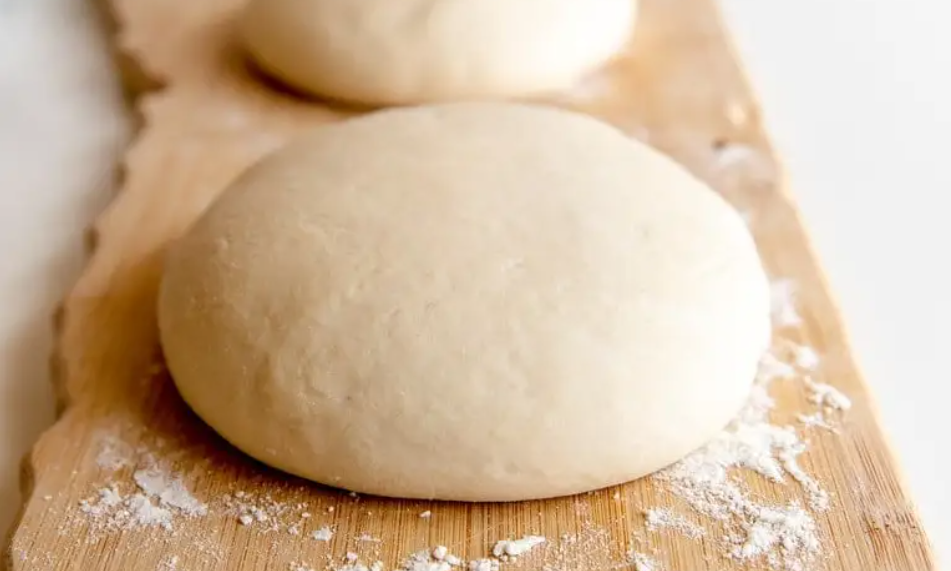
How to Maintain the Flour’s Elasticity
A key component to making any bread is the elasticity of the dough. This elasticity allows the bread to rise and hold its shape. There are a few things that you can do to ensure that your dough has the correct amount of elasticity.
First, be sure to knead the dough for the correct amount of time. If you knead the dough for too long, it will become overworked and will be difficult to handle. If you don’t knead the dough long enough, it won’t develop enough gluten and will be dense and heavy.
Second, be sure to use the correct type of flour. Bread flour has a higher protein content than all-purpose flour, which means that it will develop more gluten. This gluten is what gives the dough its elasticity.
If you are using all-purpose flour, you may need to add a bit more water to the dough to compensate for the lack of gluten.
By following these tips, you can be sure that your dough will have the perfect amount of elasticity and will result in delicious, homemade bread.
Helpful Tips for Better Bread Baking Experience
Here are a few helpful tips that will help you bake the perfect loaf of bread.
- Be sure to preheat your oven before baking the bread. This will ensure that the bread cooks evenly and rises properly.
- When measuring the ingredients, be precise. Baking is a science, so it is important to measure the ingredients correctly in order to get the desired results.
- Be patient when kneading the dough. Kneading is an important step in breadmaking, so be sure to do it for the correct amount of time in order to develop the gluten properly.
- If you are using a stand mixer, be sure to not overmix the dough. Mixing the dough for too long will result in tough bread.
By following these tips, you can be sure that your bread will turn out perfect every time. So, don’t be afraid to get creative and experiment with different recipes. With a little practice, you will be a bread baking expert in no time.
Conclusion
Kneading dough is an important step in the baking process, but it’s also easy to overdo it. So what happens if you over knead your dough? The answer may surprise you. Over kneading can actually result in a tough and chewy loaf of bread. If you find that your bread is too dense or rubbery, chances are you’ve overdone the kneading. So be careful not to work the dough too much – just enough to form a smooth and elastic ball. Now that you know the consequences of over kneading, be sure to avoid this common mistake when making your next loaf of bread!
Read more articles at Ohsnap Cupcakes!