Table of Contents
Keeping your kefir grains in the best possible condition is important if you want to continue producing delicious, homemade kefir. If you’re new to making this probiotic-rich fermented beverage, it can be confusing knowing which storage methods and products are best for preserving those all-important kefir grains. This guide will demystify the process so that you can ensure your grains stay fresh and provide easy access whenever you next need them!
What are Kefir Grains?

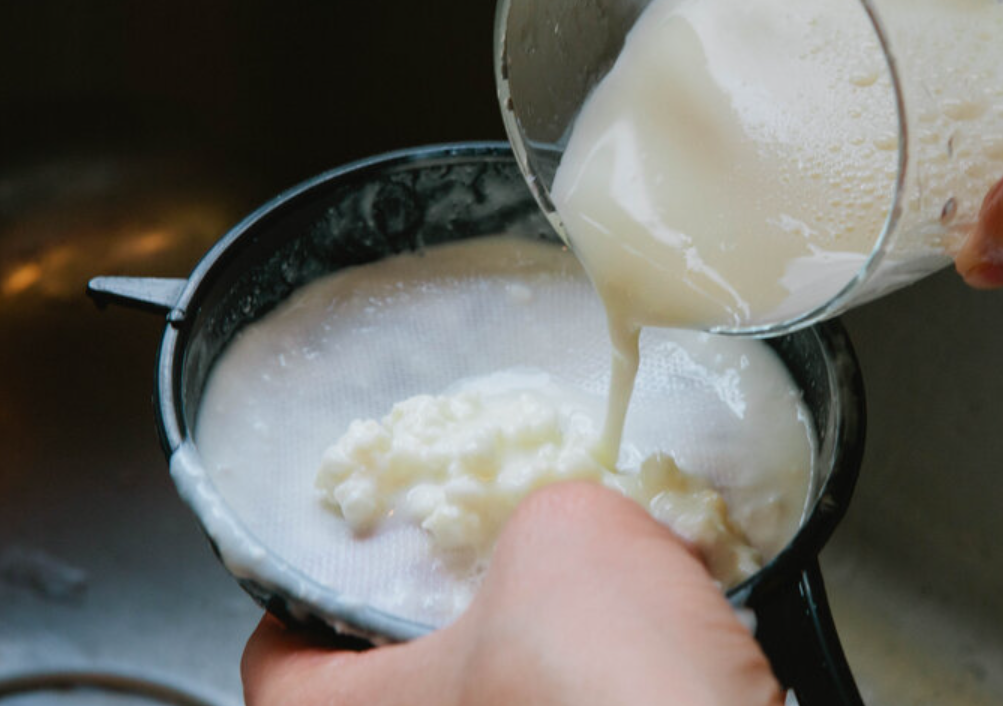
Kefir grains are a combination of bacteria and yeast that look like small, off-white pearls. They’re the living ingredient used to make kefir, a fermented drink full of probiotics and other important vitamins and minerals. As long as they’re kept healthy, these grains can be reused over and over again to produce new batches of kefir.
How to Harvest Kefir Grains?
To ensure your kefir grains live long and healthy lives, harvest them from your fresh batch of kefir every 1-2 weeks. Start the process by pouring the finished kefir into a bowl and using a plastic spoon or other utensil to gently scoop out the grains. Rinse them with cool water several times, then set them aside until you’re ready to store them.
How to Store Kefir Grains?

Storing in the Refrigerator
Step-by-step:
- Place your kefir grains in a small jar or bowl.
- Fill the container with fresh, filtered water and cover it tightly with a lid or plastic wrap.
- Refrigerate the container for up to 3 months before needing to use them again.
- When you’re ready to use them, simply pour the contents of the jar into a strainer and rinse off any excess water with cool running tap water.
Potential Issues with Refrigerated Kefir Grains
It’s important to note that if you store your kefir grains in the refrigerator for too long, they may become dormant and need to be rehydrated or revitalized before producing a new batch of kefir.
Tips for Keeping Refrigerated Kefir Grains Healthy
To keep your grains healthy during storage, make sure to:
- Refresh the water every 1-2 weeks.
- Clean the jar or container regularly to prevent mold and bacteria from growing.
- Keep an eye on the color of your kefir grains; if they become too dark, it may be time for a new batch.
- Check for any signs of spoilage (e.g., a sour smell) before using them again in a new batch of kefir.
Troubleshooting Issues with Refrigerated Kefir Grains
If you find that your kefir grains are not producing as much kefir as they used to, it may be time for a new batch. Try gently revitalizing them first by soaking them in fresh milk or water overnight before using them again. Additionally, make sure you’re using the right temperature and fermentation times during the kefir-making process.
Storing Kefir Grains at Room Temperature
Step-by-step:
- Place your kefir grains in a small jar or bowl.
- Cover the container with fresh, filtered water and cover it tightly with a lid or plastic wrap.
- Store at room temperature out of direct sunlight for up to 1-2 weeks before needing to use them again.
- When you’re ready to use them, simply pour the contents of the jar into a strainer and rinse off any excess water with cool running tap water.
Potential Issues when Storing Kefir Grains at Room Temperature
If you store your kefir grains at room temperature for too long, they may become inactive and need to be rehydrated or revitalized before producing a new batch of kefir.
Tips for Keeping Room-Temperatured Kefir Grains Healthy
To keep your grains healthy during storage, make sure to:
- Refresh the water every 2-3 days.
- Clean the jar or container regularly to prevent mold and bacteria from growing.
- Keep an eye on the color of your kefir grains; if they become too dark, it may be time for a new batch.
- Check for any signs of spoilage (e.g., a sour smell) before using them again in a new batch of kefir.
Troubleshooting Issues with Room-Temperatured Kefir Grains
If you find that your kefir grains are not producing as much kefir as they used to, it may be time for a new batch. Try gently revitalizing them first by soaking them in fresh milk or water overnight before using them again. Additionally, make sure you’re using the right temperature and fermentation times during the kefir-making process.
It’s important to note that different types of kefir grains respond differently when stored at room temperature; some may need more frequent refreshing than others, so it’s best to check with a professional brewer if you’re unsure about how often to refresh your grains.
Benefits of Kefir Grains

Storing your kefir grains properly will ensure they remain healthy and provide an easy source of probiotic-rich beverage whenever you need it. Plus, if you ever run out of fresh grains, these stored batches can be reactivated so that you can start producing new kefir right away! When stored correctly, either in the fridge or freezer, your kefir grains should last up to 6 months.
Frequently Asked Questions | How to Store Kefir Grains?
1. How long can I store Kefir grains?
Kefir grains are a living organism, and they need to be taken care of in order to remain viable. When stored properly, Kefir grains can last up to several weeks. It is important to keep the grains refrigerated or frozen so they do not go bad quickly.
2. Can I freeze Kefir grains?
Yes! Freezing your kefir grains is an easy way to extend their shelf life and keep them for longer periods of time. To freeze them, place the grains in an airtight container with cold milk or water and store them in the freezer for up to six months.
3. How often should I feed my Kefir grains?
Kefir grains need to be fed regularly in order to remain active and produce the health benefits associated with them. Generally, you should feed your kefir grains once a week or every two weeks depending on how often you plan to use them.
4. Is it safe to store Kefir grains in plastic containers?
No, it is not recommended to store Kefir grains in plastic containers as the material may contain chemicals that could harm the live culture of the grains. It is best to keep your Kefir grains in an airtight glass or ceramic container instead.
5. How often should I change the milk I use with my Kefir grains?
It is best to change the milk used for your Kefir grains every two weeks so that they remain healthy and happy. This will also ensure that you are getting the most out of your kefir culture.
6. Is there anything else I should do when storing Kefir grains?
Yes! Be sure to keep your kefir culture away from strong scents, direct sunlight, and extreme temperatures. Also, make sure to strain the grains when finished using them and store in a clean container. This will help keep your Kefir grains healthy for longer periods of time.
Conclusion
Kefir is a delicious and nutritious fermented drink that’s packed with beneficial bacteria for gut health. To keep your homemade batches tasting their best, it’s essential to store your kefir grains correctly. Refrigeration and freezing are two great methods for keeping them alive and ready for use whenever you need them. However, if you have to store them at room temperature for short periods of time, make sure to refresh the water every two days and keep an eye on the color of the grains. Lastly, be sure to check for any signs of spoilage before using them again in a new batch of kefir.
Read more at Ohsnap Cupcakes!