Table of Contents
Bread is a staple in many diets, but there’s one question that some people have about it: does bread have eggs? This post will explore the different types of bread and clarify whether they contain eggs or not. With this information, you can make an informed decision about what bread to buy for your next meal. So, if you’re curious about eggs and bread, read on!
What is Bread?
Bread is a staple food in many cultures, and has been for centuries. It is made from flour, water, and yeast, and can be either leavened or unleavened. Bread is usually baked in an oven, but can also be made in a variety of other ways, such as frying or steaming.
Bread has a long history, dating back to ancient times. It is thought that the first loaves were made by the Egyptians, who developed a type of flatbread that was cooked on hot stones. This bread was then eaten with other dishes, or used as a plate on which to eat other foods.
The Romans also had a type of bread that they called panis militaris, or “soldier’s bread.” This was a harder, denser bread that was made to last for long journeys. It was usually soaked in water before being eaten, to soften it up.
Bread is an important part of many religious ceremonies and traditions. In Christianity, bread is used in the Eucharist, or Holy Communion. This is a symbolic act that represents the body of Christ. In Judaism, challah bread is often served at religious gatherings and celebrations.
Bread has also been used as a tool for political protest. During the French Revolution, for example, bakers were ordered to make a special type of “liberty loaf” that was smaller than the usual loaves. This was done to symbolize the people’s dissatisfaction with the government.
Today, bread is a staple food in many parts of the world. It is eaten at breakfast, lunch, and dinner, and is often used to make sandwiches. There are countless types and flavors of bread, from sourdough to rye to banana bread. No matter how it is eaten or what it is used for, bread remains a beloved food for people all over the globe.
What Does Bread Have in It?
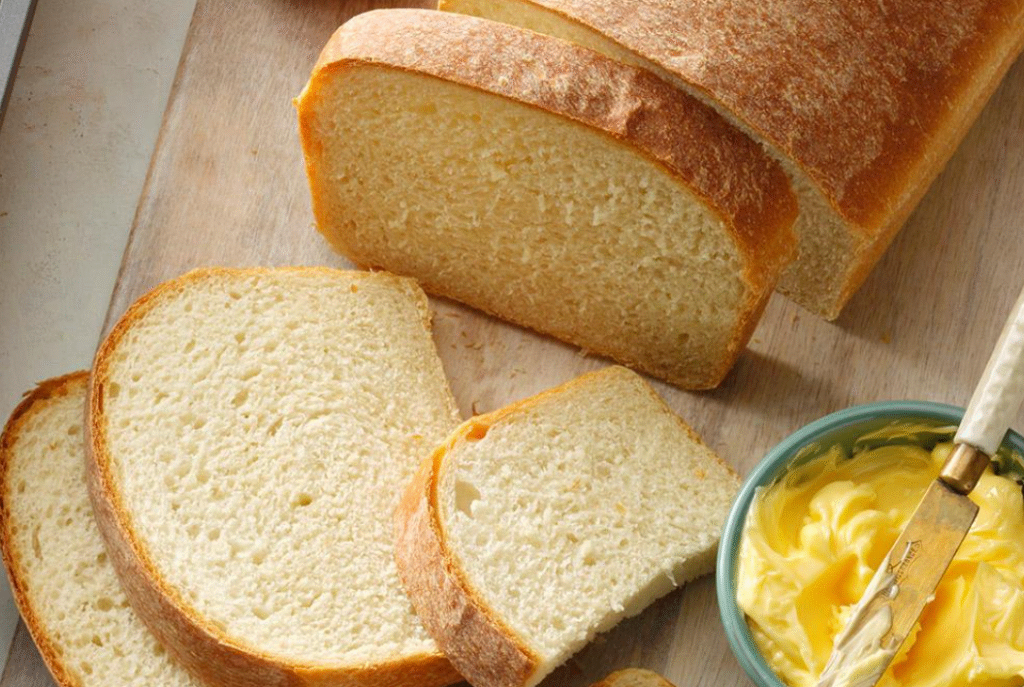
Bread is made from four basic ingredients: flour, water, yeast, and salt. However, there are many different types of bread, and each one has its own unique recipe.
Flour is the main ingredient in bread. It is made from grinding grains, such as wheat, rye, or corn. The type of flour that is used will determine the type of bread that is made. For example, breads that are made with whole wheat flour are denser and have agrainier texture than breads made with white flour.
Water is another important ingredient in bread. It helps to hydrate the flour and allows the dough to rise. Too much water will make the bread dough too sticky, while not enough water will make it too dry.
Yeast is a microscopic fungus that is used to leaven bread. It causes the bread to rise by producing carbon dioxide gas. This gas gets trapped in the bread dough, which makes it expand and become lighter and airier.
Salt is added to bread to help control the growth of yeast and to add flavor. Too much salt can make bread taste overly salty, while not enough salt can make it taste bland.
Bread can also contain a variety of other ingredients, such as sugar, fat, fruit, nuts, and spices. These ingredients are often added to give breads a unique flavor or texture.
Does Bread Have Eggs?
Most breads do not contain eggs. However, some egg bread recipes do exist. These recipes usually call for adding one or two eggs to the dough in order to make it richer and more flavorful.
Eggs can also be used as a binding agent in bread recipes. This means that they help to hold the ingredients together and prevent the bread from falling apart.
If you are looking for an eggless bread recipe, there are many options available. You can find eggless versions of almost any type of bread, from sandwich bread to banana bread. There are also a number of vegan bread recipes that do not use any animal products, including eggs.
No matter what your dietary needs are, there is sure to be an eggless bread recipe that is perfect for you.
Why Don’t Breads Contain Eggs?
Breads do not typically contain eggs because they are not necessary for the bread to taste good or to hold together. In fact, adding eggs to bread dough can actually make it tougher and more difficult to work with.
Eggs are often used in baking recipes because they add richness, flavor, and color to the finished product. However, these qualities are not as important in breads as they are in other baked goods, such as cakes or cookies.
Breads are also leavened with yeast, which produces carbon dioxide gas and causes the dough to rise. This rising action helps to bind the ingredients together, so eggs are not needed for this purpose.
What Kind of Bread Has Egg?
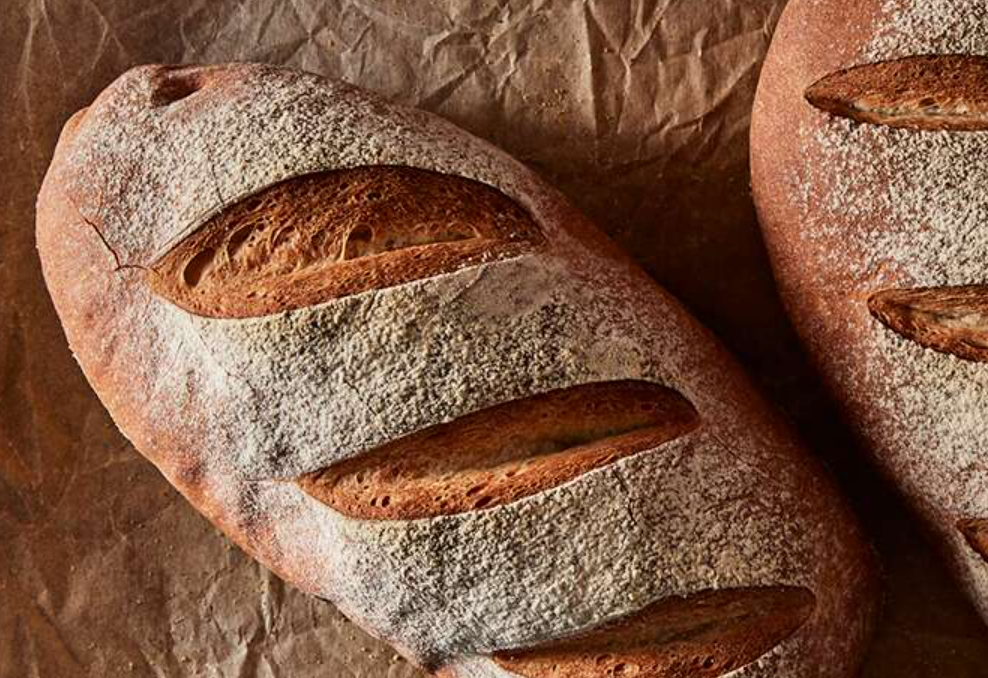
Egg bread is a type of bread that contains eggs. The eggs can be added to the dough or used as a binding agent. Egg breads are often richer and more flavorful than breads made without eggs.
Some common types of egg bread include challah, brioche, and Russian paska. These breads are often served on special occasions or holidays.
If you are looking for an eggless bread recipe, there are many options available. You can find eggless versions of almost any type of bread, from sandwich bread to banana bread. There are also a number of vegan bread recipes that do not use any animal products, including eggs.
What are the Different Types of Bread?
There are countless types of bread, from sourdough to rye to banana bread. Here are a few of the most popular types of bread:
Sourdough bread is made with a sourdough starter, which is a mixture of flour and water that contains wild yeast. Sourdough bread has a slightly sour flavor and a chewy texture.
Rye bread is made with rye flour, which gives it a dark color and a hearty flavor. Rye bread is often used for making sandwiches because it can be very dense.
Pumpernickel bread is another type of rye bread, but it is made with coarsely ground rye flour. Pumpernickel bread has a deep, rich flavor and a moist texture.
Baguettes are long, thin loaves of bread that are typically made with white flour. They have a crispy crust and a soft, fluffy interior.
Challah bread is a type of Jewish bread that is often braided or shaped into a loaf. It is made with eggs, water, yeast, sugar, and flour. Challah bread is typically served at religious gatherings and celebrations.
What are the Nutritional Benefits of Bread?
Bread is a good source of carbohydrates, which the body uses for energy. It also contains vitamins and minerals, such as iron, magnesium, and selenium. Bread can also be a good source of fiber, which is important for digestive health.
While bread does have some nutritional benefits, it is also high in calories and fat. Therefore, it is important to eat bread in moderation and to choose breads that are made with whole grains and have a lower fat content.
What’s the Difference Between Eggs and Egg Whites?
The egg white is the clear, protein-rich liquid that surrounds the egg yolk. Egg whites are a good source of protein and they contain no fat or cholesterol.
Egg whites can be used in place of whole eggs in many recipes. They are often used in baking because they produce a lighter, fluffier end result. Egg whites can also be used to make meringue or whipped cream.
While egg whites have many uses, they do not have all of the same nutrients as whole eggs. Egg yolks are a good source of vitamin D, omega-3 fatty acids, and choline. So, if you are looking for a food that is high in these nutrients, you may want to choose whole eggs over egg whites.
The Benefits of a Gluten-Free Diet
A gluten-free diet is a diet that does not include any foods that contain gluten. Gluten is a protein found in wheat, barley, and rye. It can also be found in some processed foods, such as pasta, bread, cereal, and baked goods.
People who have celiac disease or non-celiac gluten sensitivity cannot tolerate gluten. For these people, a gluten-free diet is essential for good health.
There are some potential benefits of a gluten-free diet for people who do not have celiac disease or gluten sensitivity. These benefits include improved digestion, more energy, and weight loss.
However, a gluten-free diet can be difficult to follow and it can be expensive. And, there is no evidence that a gluten-free diet has any health benefits for people who do not have celiac disease or gluten sensitivity.
If you think you may be sensitive to gluten, it is important to talk to your doctor before starting a gluten-free diet. This is because a gluten-free diet can be dangerous for people with certain medical conditions, such as diabetes.
How Bread Can Help With Weight Loss Goals
Bread can be part of a weight loss diet if it is chosen carefully. Some breads are high in calories and fat, while others are made with whole grains and have a lower calorie and fat content.
When choosing bread for a weight loss diet, it is important to look at the nutrition facts label. This label will tell you how many calories and grams of fat are in one serving of the bread. It will also list the ingredients that are used to make the bread.
Whole grain breads are a good choice for a weight loss diet because they contain more fiber than other types of bread. Fiber helps to keep you feeling full after eating, so you are less likely to snack on unhealthy foods.
Breads that are made with whole wheat, oats, barley, and rye are good sources of fiber. These breads also tend to be lower in calories and fat than other types of bread.
When choosing a bread for a weight loss diet, it is also important to consider the serving size. Some breads are very high in calories and fat, even if they are made with whole grains.
One slice of whole grain bread typically contains around 80-100 calories. If you are trying to lose weight, you may want to choose a bread that has fewer calories per slice.
Ezekiel bread is one option that can be helpful for weight loss diets. This bread is made with sprouted grains and does not contain any added sugar or flour. One slice of Ezekiel bread contains only 80 calories and 1 gram of fat.
Another option for a weight loss diet is to make your own egg-free bread. This recipe uses whole wheat flour, oat bran, and chia seeds to provide plenty of fiber and nutrients.
The Pros & Cons of Eating Without Eggs in Your Diet
Eggs are a common ingredient in many recipes. They are a good source of protein and can be used in a variety of dishes. However, some people choose to avoid eggs for various reasons.
There are some pros and cons to consider if you are thinking about eliminating eggs from your diet.
One potential benefit of avoiding eggs is that you may reduce your risk of heart disease. Eggs contain cholesterol and saturated fat, which can contribute to heart disease.
Another potential benefit is that you may lose weight if you avoid eating eggs. Eggs are high in calories and fat, so eliminating them from your diet may help you to lose weight.
However, there are also some downsides to avoiding eggs. One downside is that you may miss out on some important nutrients. Eggs are a good source of vitamins A, D, and E. They also contain choline, which is an important nutrient for brain health.
If you do choose to avoid eggs, you will need to find other sources of these nutrients in your diet. You can get vitamin A from fruits and vegetables, vitamin D from fortified milk or fish, and vitamin E from nuts and seeds.
You can also get choline by eating meat, poultry, fish, or soy products.
In conclusion, there are both pros and cons to avoiding eggs in your diet. If you are considering eliminating eggs from your diet, talk to your doctor or a registered dietitian to make sure that you are getting all the nutrients you need.
FAQs on Does Bread Have Eggs
Do Baguettes Have Egg?
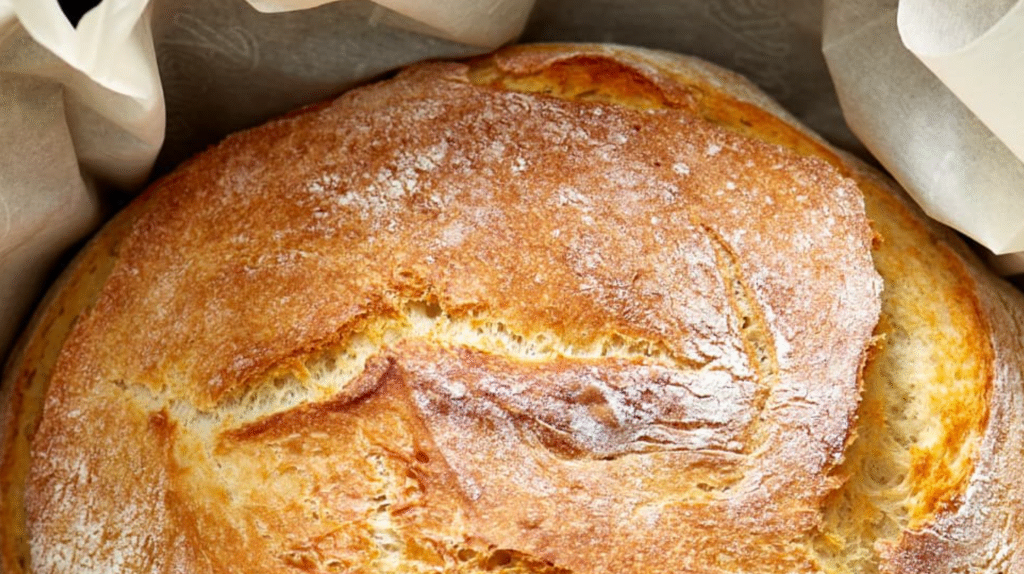
Baguettes are a type of French bread that is long and thin. They are typically made with flour, water, yeast, and salt. Some recipes may also include milk or butter.
Baguettes do not typically contain egg. However, some recipes may call for an egg wash, which is a beaten egg that is brushed onto the surface of the dough before baking. This step helps to give the baguette a crisp crust.
If you are following a recipe that calls for an egg wash, you can simply omit this step if you want to make a vegan baguette. The baguette will still taste delicious without the egg wash!
Is All Bread Vegan?
No, not all bread is vegan. Some types of bread may contain ingredients like milk, eggs, honey, or butter. However, there are many vegan-friendly breads available.
If you are looking for a vegan bread, be sure to check the ingredient label. There are also many recipes for vegan bread that you can make at home.
Some vegan-friendly breads include:
- Sourdough bread
- Sprouted grain bread
- 100% whole wheat bread
- Rye bread
- Oat bread
Do All Types of Bread Contain Gluten?
No, not all types of bread contain gluten. Gluten is a protein found in wheat, barley, and rye. Some people have a gluten intolerance or celiac disease and must avoid gluten.
There are many types of gluten-free breads available. Some of these include:
- Rice bread
- Quinoa bread
- Buckwheat bread
- Cornbread
- Sorghum bread
Final Thoughts
So, does bread have eggs? The answer is both yes and no. While bread doesn’t generally contain eggs as an ingredient, there are some types of bread that may include egg in the dough or as an added topping. By understanding the science behind baking bread, you can create your own recipes with confidence. If you’re looking for more information on how to make delicious bread at home, check out our other posts on the subject. And be sure to let us know if you come up with any amazing recipes of your own!
Thank you for visiting Ohsnap Cupcakes!