Table of Contents
In this blog post, we’re exploring the question: can you use bread flour for cookies? We’ll take a look at some of the pros and cons of using bread flour instead of all-purpose flour in your cookie recipes. By the end, you’ll be able to make an informed decision about whether or not to try out this baking substitution!
What is a Cookie?
A cookie is a small, flat, and often sweet cake. The word “cookie” is derived from the Dutch word “koekje,” which means little cake.
Cookies are made in a wide variety of styles, using an array of ingredients including butter, eggs, flour, sugar, milk, nuts, and dried fruits. Cookies can be soft and chewy or crisp and hard. They can be round, square, or crescent-shaped. Some are even shaped like animals or holiday symbols.
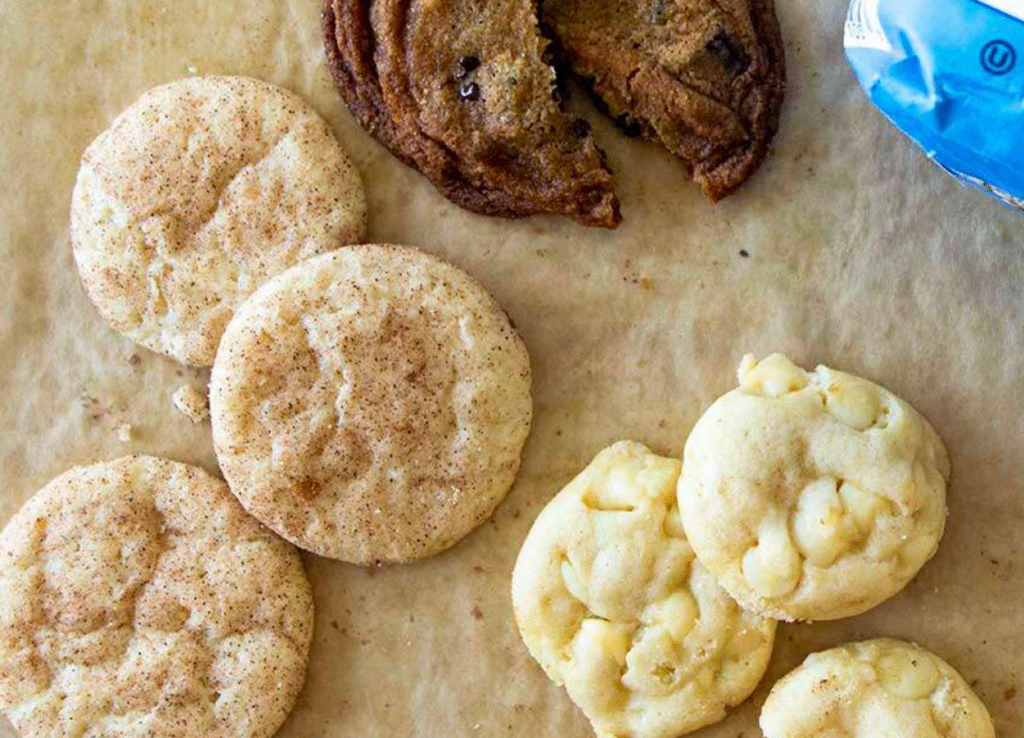
Types Of Cookies
There are two types of cookies: drop cookies and shaped cookies. Drop cookies are made by dropping spoonfuls of dough onto a baking sheet, while shaped cookies are made by forming the dough into specific shapes using cookie cutters, molds, or simply shaping it by hand.
Drop Cookies
The most common type of cookie, drop cookies are made by scooping a dollop of dough onto a baking sheet and baking it until it is cooked through. These cookies can be either soft and chewy or crisp and hard, depending on the ingredients used and the amount of time they are baked. Some popular drop cookie recipes include chocolate chip cookies, oatmeal raisin cookies, and sugar cookies.
Shaped Cookies
Shaped cookies are made by forming the dough into specific shapes using cookie cutters, molds, or simply shaping it by hand. These cookies can be either soft and chewy or crisp and hard, depending on the ingredients used and the amount of time they are baked. Some popular shaped cookie recipes include gingerbread cookies and shortbread cookies.
How to Make Cookies
There are two ways to make cookies: with a mixer or by hand.
If you are using a mixer, cream the butter and sugar together until light and fluffy. Add the eggs and vanilla extract and mix until well combined. Add the flour, baking powder, and salt and mix until the dough comes together.
If you are making the cookies by hand, whisk the butter and sugar together until light and fluffy. Add the eggs and vanilla extract and whisk until well combined. Add the flour, baking powder, and salt and mix until the dough comes together.
To make drop cookies, drop tablespoon-sized balls of dough onto a baking sheet coated with parchment paper with a spoon or a cookie scoop. Place the cookies on a baking sheet lined with parchment paper and bake for 10-12 minutes, or until they are golden brown and cooked through.
Can You Use Bread Flour for Cookies?
Bread flour can be used for cookies, but it will result in a denser, chewier cookie. If you are looking for a lighter, flakier cookie, use all-purpose flour instead.

Different Types of Flours and the Reasons Why You Would Use Them for Baking Cookies
There are many different types of flour available on the market, and each one has its own unique flavor and texture.
- All-purpose flour: All-purpose flour is a type of wheat flour that is made from a blend of hard and soft wheat. It is the most common type of flour used in baking and can be used for cookies, cakes, breads, and pastries.
- Bread flour: Bread flour is a type of wheat flour that is made from hard wheat. It has a high protein content, which gives it a higher gluten content. This makes it perfect for baking bread, but it can also be used for cookies if you are looking for a denser, chewier cookie.
- Cake flour: Cake flour is a type of wheat flour that is made from soft wheat. It has a lower protein content, which gives it a lower gluten content. This makes it perfect for baking cakes and other delicate desserts.
- Cookie flour: Cookie flour is a type of wheat flour that is made from a blend of hard and soft wheat. It is similar to all-purpose flour, but it has a higher gluten content, which makes it perfect for baking cookies.
- Pastry flour: Pastry flour is a type of wheat flour that is made from soft wheat. It has a lower protein content, which gives it a lower gluten content. This makes it perfect for baking pies, pastries, and other delicate desserts.
Cookie Variations
There are endless variations of cookies that can be made by simply changing the type of dough, the shape of the cookie, or the ingredients used. Some popular variations include:
- Chocolate chip cookies: Add chocolate chips to the dough before baking.
- Oatmeal raisin cookies: Add oats and raisines to the dough before baking.
- Sugar cookies: Roll the dough out and use cookie cutters to cut out desired shapes. Decorate with icing or sprinkles after baking.
- Gingerbread cookies: Add ginger, cinnamon, and nutmeg to the dough before baking. Decorate with icing or sprinkles after baking.
- Shortbread cookies: Roll the dough out and use cookie cutters to cut out desired shapes. Prick the surface of the dough with a fork before baking.
No matter what type of cookie you are making, the process is always the same: cream the butter and sugar together, add the eggs and vanilla extract, mix in the dry ingredients, form the dough into balls or shapes, and bake!
How do Bread Flours Make a Difference in Baked Goods?
Bread flour is a high-protein flour that is typically used for, you guessed it, bread! The higher protein content gives bread flour a higher gluten level, which results in a tougher dough that can hold its shape better. This makes bread flour ideal for things like bagels, pretzels, and pizza dough where you want a chewy texture.
All-purpose flour has a lower protein content, which gives it a lower gluten level. This results in a softer dough that is more suitable for things like cakes, cookies, and quickbreads.
While you can use either all-purpose or bread flour for cookies, the type of flour you use will result in slightly different textures. Bread flour will produce a denser, chewier cookie, while all-purpose flour will produce a lighter, flakier cookie. It is important to note that bread flour and all-purpose flour can not be used interchangeably in recipes.
If a recipe calls for bread flour, you must use bread flour. If a recipe calls for all-purpose flour, you must use all-purpose flour.
What is the Difference Between White Flour and Wheat Flour?
The main difference between white flour and wheat flour is the amount of processing each type of flour undergoes.
White flour is made from wheat kernels that have been milled to remove the bran and germ, leaving only the endosperm. This results in a fine, powdery texture and a light color.
Wheat flour is made from wheat kernels that have been milled to remove the bran and germ, but unlike white flour, only a portion of the endosperm is removed. This results in a coarser, more textured flour that has a slightly nutty flavor. Wheat flour can be further classified into different types, such as bread flour and all-purpose flour, based on the amount of endosperm that is removed.
While both white flour and wheat flour can be used for baking, the type of flour you use will affect the texture and flavor of your baked goods. White flour will produce lighter, finer-textured baked goods, whole wheat flour will produce denser, more textured baked goods with a slightly nutty flavor.
It is important to note that white flour and wheat flour can not be used interchangeably in recipes. If a recipe calls for white flour, you must use white flour. If a recipe calls for wheat flour, you must use wheat flour.
Bread Flour vs. All-Purpose Flour for Cookies
The gluten content of bread flour and all-purpose flour is the fundamental distinction. Bread flour has a higher gluten content, which gives it a chewier texture. All-purpose flour has a lower gluten content, which gives it a lighter, flakier texture. If you are looking for a denser, chewier cookie, use bread flour. If you are looking for a light, flaky cookie, use all-purpose flour.
Things to Remember When Using Bread Flour for Cookies
There are a few things to keep in mind when using bread flour for cookies:
- Bread flour will produce a denser, chewier cookie.
- Bread flour can not be used interchangeably with all-purpose flour. If a recipe calls for bread flour, you must use bread flour.
When using bread flour, make sure to add an extra 1/4 cup of flour to the recipe to account for the higher protein content.
Pros and Cons of Using Bread Flour for Cookies
The main advantage of using bread flour for cookies is that it will produce a denser, chewier cookie. The main disadvantage of using bread flour is that it can not be used interchangeably with all-purpose flour.
If you are looking for a denser, chewier cookie, then bread flour is a good choice. However, if you are looking for a lighter, flakier cookie, then you should use all-purpose flour.

FAQs on Can You Use Bread Flour for Cookies
How Do I Store Bread Flour?
Bread flour can be stored in a cool, dry place, such as a pantry or cupboard, for up to 6 months. Once opened, bread flour should be stored in an airtight container to keep it fresh.
Can I Substitute All-Purpose Flour with Bread Flour?
No, all-purpose flour and bread flour can not be used interchangeably. If a recipe calls for bread flour, you must use bread flour.
If a recipe calls for all-purpose flour, you can use either all-purpose or bread flour. However, the type of flour you use will result in slightly different textures. Bread flour will produce a denser, chewier cookie, while all-purpose flour will produce a lighter, flakier cookie.
How Does the Type of Flour Affect a Cookie Recipe?
The type of flour you use will affect the texture and flavor of your cookies. White flour will produce lighter, finer-textured cookies, while wheat flour will produce denser, more textured cookies with a slightly nutty flavor.
It is important to note that white flour and wheat flour can not be used interchangeably in recipes. If a recipe calls for white flour, you must use white flour. If a recipe calls for wheat flour, you must use wheat flour.
What’s the Best Type of Flour to Use for Chocolate Chip Cookies?
There is no one-size-fits-all answer to this question as the best type of flour to use for chocolate chip cookies depends on your personal preferences.
If you prefer a lighter, flakier cookie, then all-purpose flour is a good choice. If you prefer a denser, chewier cookie, then bread flour is a good choice. Ultimately, the best type of flour to use for chocolate chip cookies is the type of flour that you like the taste and texture of.
Why Do the Cookies Turn Out So Chewy?
There are a few reasons why your cookies might turn out chewy:
- Instead of all-purpose flour, you’re using bread flour.
- You have not added enough flour to the recipe.
- You have over-baked the cookies.
- You have used too much butter in the recipe.

How Do I Make My Cookies Less Chewy?
If your cookies are too chewy, there are a few things you can do to make them less chewy:
- Use all-purpose flour instead of bread flour.
- Add more flour to the recipe.
- Bake the cookies for less time.
- Use less butter in the recipe.
In Summary
Can you use bread flour for cookies? The answer is yes! While it’s not a perfect substitution, using bread flour in place of all-purpose flour in your cookie recipes can give you chewier, more flavorful cookies. Give it a try the next time you bake some cookies and see how they turn out. Thanks for reading our blog post on this topic – be sure to check back soon for more baking tips and tricks.
Thank you for reading Ohsnap Cupcakes!