Table of Contents
Have you ever been to a restaurant and ordered something that tasted like soup, but wasn’t liquid enough to actually qualify as soup? Chances are what you experienced was bisque. Soups and bisques look similar but yet have critical differences, so understanding the distinctions between these two dishes can help ensure your next culinary experience is satisfying.
In this blog post we will discuss the major distinctions between soups and bisques – from ingredients and texture to flavour profiles – so that you can become an informed diner when it comes time for your next meal.
What is Bisque?

Bisque is a type of creamy, smooth soup that is generally made with a combination of pureed seafood or vegetables and thickened with cream. It also sometimes contains rice or another form of starch to further thicken the broth. Bisques are often flavoured with herbs and spices such as thyme, garlic and onion, which can add depth to their flavour profile.
The consistency of bisques is usually quite thick, similar to a chowder; however, it should still be able to flow off the spoon easily. This is because when making bisque there is no additional liquid added other than what is already present in the ingredients themselves. The end result should be more of a sauce-like texture than a soup-like one.
What is Soup?

Soup, on the other hand, is a liquid dish that can contain ingredients such as vegetables, meats, grains and legumes. It can also have additional liquids such as stock or broth added to it in order to create a soupier texture. This type of soup often requires more time for preparation since the ingredients need to be simmered for an extended period of time in order to soften them and add flavour. The end result should be thinner than bisque with enough liquid for it to easily flow off the spoon.
Ingredients Used in Making a Bisque

Commonly Used Ingredients
- Shrimp
- Lobster
- Mushrooms
- Onions
- Garlic
- White wine or sherry
- Heavy cream or milk
- Rice, breadcrumbs or other starch (to thicken the broth)
Steps to Make a Classic French-Style Bisque
1. In a large pot, sauté the aromatics (onions, garlic and mushrooms) in butter or oil until softened.
2. Add the shellfish (shrimp or lobster) and cook for several minutes until they begin to turn pink.
3. Deglaze the pan with white wine or sherry and allow it to reduce by half.
4. Add enough stock or broth to cover all of the ingredients, bring to a boil and then reduce heat to low and simmer for 20 minutes.
5. Remove from heat and puree the mixture using an immersion blender until smooth.
6. Slowly add heavy cream or milk while stirring continuously to thicken the bisque further.
7. Season with salt, pepper and other herbs and spices to taste.
8. Serve hot with a garnish of your choice.
Tips for Adding Unique Flavors or Variations
For an Asian twist, add a tablespoon of miso paste to the pot.
For an Italian flair, substitute seafood for diced tomatoes and add fresh basil.
For a Mexican-style bisque, use chilies and cilantro in place of more traditional herbs.
Ingredients Used in Making Soup
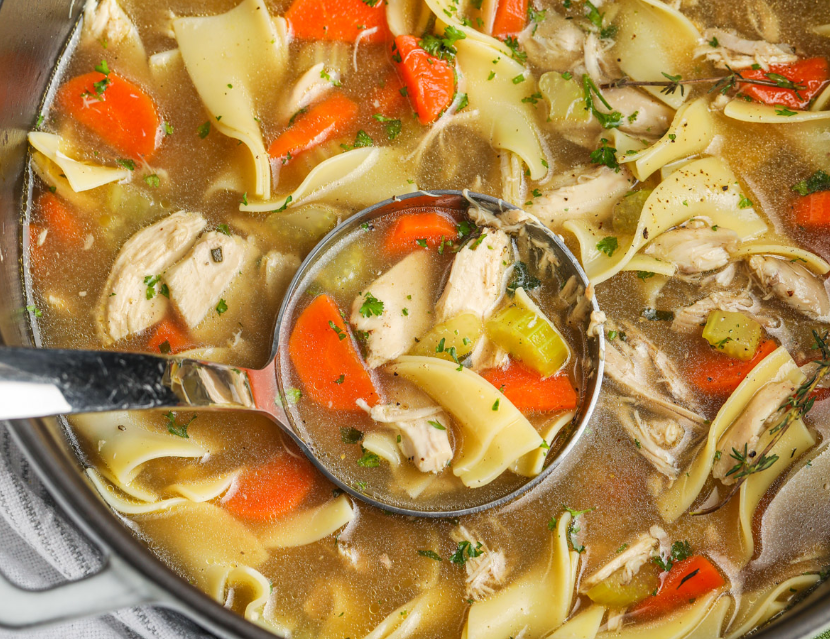
Commonly Used Ingredients
- Vegetables such as carrots, celery and potatoes
- Meats such as beef, poultry or seafood
- Legumes such as lentils, beans or peas
- Grains such as barley, rice or noodles
- Stock/broth to thin out the soup
Steps to Make a Classic Soup
1. In a large pot, sauté the aromatics (onions, garlic and mushrooms) in butter or oil until softened.
2. Add the desired meats or seafood and cook for several minutes to brown them.
3. Add the vegetables, legumes and grains along with enough stock/broth to cover all of the ingredients, bring to a boil and then reduce heat to low and simmer for 20 minutes or until all of the ingredients are tender.
4. Remove from heat and puree the mixture using an immersion blender if desired (this is not necessary but can make for a smoother texture).
5. Season with salt, pepper and other herbs and spices to taste.
6. Serve hot with a garnish of your choice.
Tips for Adding Unique Flavors or Variations
For an Asian twist, add a tablespoon of miso paste while the ingredients are simmering.
For an Italian flair, substitute seafood for diced tomatoes and add fresh basil at the end.
For a Mexican-style soup, use chilies and cilantro in place of more traditional herbs.
Experiment with different combinations of ingredients until you find something that you love! The possibilities are endless when it comes to making soup. Have fun and enjoy the creative process!
Comparison of Bisque vs Soup
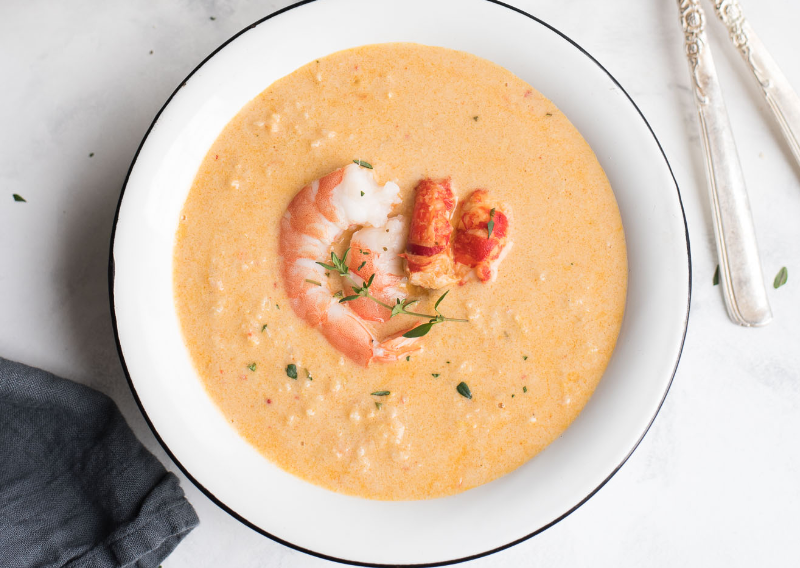
Texture
Bisque is typically thicker and creamier than soup as it often has heavy cream or milk added to it.
Ingredients: Bisque usually contains shellfish such as shrimp or lobster while soup can contain any combination of meats, vegetables, legumes and grains.
Flavor
Bisque typically has a more intense and complex flavor due to the added ingredients such as white wine or sherry while soup is more subtle and perfect for introducing new flavors.
Preparation Time
Soup requires less time for preparation since the ingredients don’t need to be simmered for an extended period of time like with bisque.
Nutrition
Bisque tends to be higher in fat, calories and sodium because of the added ingredients such as butter, cream or cheese. Soup can help pack in more nutrients from the various vegetables that it contains.
Which One Is Healthier?
Bisque and soup can both be healthy depending on the ingredients used. Bisque can be a delicious, indulgent treat when made with fresh seafood, but it should be enjoyed in moderation. Soup is often a great way to pack in more vegetables and lean proteins for a nutritious meal. Try experimenting with different combinations of ingredients for both bisque and soup until you find something that you love!
Frequently Asked Questions | Bisque vs Soup
1. What is the difference between a bisque and soup?
A bisque is a smooth, creamy soup that usually contains pureed seafood or vegetables, while regular soups can be either thin and brothy or thick and chunky.
2. Does bisque contain dairy products?
Yes, it typically contains heavy cream, milk, or even butter depending on the recipe.
3. How do you make a bisque?
Bisques are made by cooking the main ingredients with aromatics such as onion, celery, garlic and herbs in a stock or broth until soft. The mixture is then strained through a food mill to remove any fibrous material from the solids before being blended or puréed until smooth.
4. Is bisque served hot or cold?
Bisque is typically served warm, but some recipes can be served chilled.
5. What are some popular ingredients used in a bisque?
Popular ingredients for bisques include seafood such as lobster and crab, vegetables like mushrooms and tomatoes, and herbs like parsley and thyme.
6. Is soup healthier than a bisque?
It depends on the recipe – soups tend to have fewer calories per serving than creamy bisques because they don’t contain cream or other dairy products. However, there are plenty of low-calorie soup options that are just as healthy as a bisque without the added fat content.
7. Is bisque gluten-free?
Yes, most bisques are naturally gluten-free since they don’t contain any flour or other wheat products as thickeners. However, it’s always important to check the ingredients list before consuming a bisque to ensure that it doesn’t contain any hidden sources of gluten.
Final Thoughts
Bisque and soup are both delicious options for a meal or snack. The main difference between the two is that bisque contains shellfish and is usually creamier than soup. Bisque also typically requires more time to prepare due to the longer simmering period while soup can be prepared in less time. Additionally, bisque tends to be higher in fat, calories and sodium but soup can be a great way to pack in more nutrients from the various vegetables that it contains. Ultimately, experiment with different ingredients and combinations until you’ve created something delicious! Enjoy the creative process!
Read more at Ohsnap Cupcakes!