Table of Contents
If you’ve ever found yourself in a grocery store trying to decide between Cajun and Creole seasoning, you’re not alone; it can be an overwhelming experience! The two seasonings may look a lot alike at first glance, but the differences between them are actually quite significant. Whether you’re whipping up a gumbo or just looking for the perfect flavor boost on your next dish, understanding what sets Cajun and Creole seasoning apart from one another can help make sure that your taste buds aren’t disappointed.
In this post, we’ll explain what each type of spice is made from as well as their individual flavors so that you’re confident about which one is best suited for your favorite dishes – no matter what type of cuisine they belong to!
What is Cajun?

Cajun seasoning is a blend of paprika, garlic powder, onion powder, cayenne pepper and other spices. It’s commonly used in dishes from the Louisiana region like gumbo or jambalaya. The spice mix was originally created to season the rich stews and rice dishes associated with Cajuns, a group of French-speaking settlers who moved to the area in the 1700s. Its signature flavor comes from its heavy use of cayenne pepper, which gives it a spicy kick that can be adjusted depending on the amount you use.
What is Creole?

Creole seasoning differs slightly from traditional Cajun seasoning; while both are comprised of similar ingredients such as paprika, garlic powder, onion powder and cayenne pepper, Creole seasoning also contains oregano, thyme and basil. This blend of herbs gives it a more complex flavor than Cajun spice. The flavors in the mix are much milder and sweeter than those found in Cajun, due to its heavy use of both oregano and thyme. It’s often used to season seafood dishes like gumbo, jambalaya and crawfish étouffée as well as vegetables like okra.
Taste and Flavor Profiles
Basic Ingredient Comparison
Cajun seasoning has a bold flavor profile with a distinct kick of heat from the cayenne pepper. The other spices add complexity to the mix and make it flavorful, but the cayenne pepper is what really stands out in this blend. It’s salty and slightly smoky due to its use of paprika, garlic powder and onion powder.
Creole seasoning has a lighter flavor profile than Cajun, as it’s made with herbs instead of just spices. The oregano and thyme give it an earthy taste that still packs plenty of flavor, while the basil adds sweetness to balance out the savory notes. While it does contain cayenne pepper like Cajun seasoning, the amount used is much less, so the spice level is much lower. The saltiness also varies depending on how much you use, but overall it’s a milder blend than Cajun seasoning.
Cajun vs Creole Seasoning Flavor Profiles
Cajun seasoning is usually made with smoked paprika, which adds a smoky flavor to the blend. It also contains garlic, onion and cayenne pepper for added heat and complexity. The mix is salty and slightly spicy due to its heavy use of these spices.
Creole seasoning typically uses unsmoked paprika, which gives it a milder flavor than Cajun seasoning. It also contains herbs like oregano, thyme and basil which provide an earthy flavor that’s balanced out by sweetness from the basil. The saltiness can vary depending on how much you use, but overall this blend is much milder in terms of spice level when compared to Cajun seasoning.
Popular Dishes Made with Cajun and Creole Seasonings

Cajun-Seasoned Dishes
Cajun seasoning is best known for its use in dishes like gumbo, jambalaya, crawfish étouffée and red beans and rice. Its bold flavor also works well with meats like chicken and pork as well as fish and shellfish.
Creole-Seasoned Dishes
Because of its milder flavor profile, Creole seasoning is great for dishes that need a subtle touch of flavor. It’s often used to season vegetables like okra or to add depth to stews, soups or sauces. It also pairs nicely with seafood dishes like shrimp or crab cakes.
How to Use Cajun vs Creole Seasoning in Home Cooking?
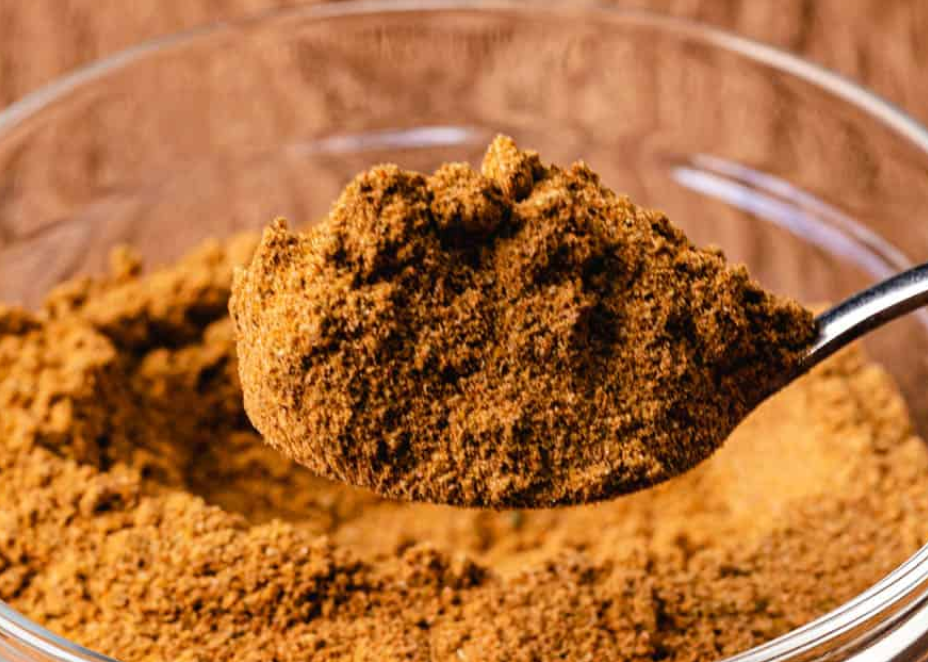
For home cooks, both Cajun and Creole seasonings are great staples to have in the pantry. They can be used on their own or combined with other ingredients like garlic, onion or herbs to create flavorful dishes. To get the most flavor out of them, it’s best to add them at the beginning of cooking so that they have time to infuse the dish with their flavor. Cajun seasoning can be used as a dry rub on meats or vegetables, while Creole seasoning can be added to soups and stews for a boost of flavor.
Which One Is Healthier?
Both seasonings are fairly healthy, but it depends on the ingredients used in each one. For instance, if you’re using a store-bought version that has added sugar or preservatives then it may not be as healthy as making your own blend from fresh herbs and spices.
Frequently Asked Questions | Cajun vs Creole Seasoning
1. Can I use Cajun seasoning instead of Creole?
Yes, you can but it will result in a different flavor profile. If you want a smoky, spicy flavor then go with Cajun, but if you’re looking for something more aromatic and balanced then go with Creole.
2. Is there any difference in terms of heat level between the two seasonings?
Yes, typically Cajun seasoning is spicier than Creole seasoning due to its inclusion of cayenne pepper and other hot spices like chili powder and black pepper. On the other hand, Creole seasoning often has milder herbs like oregano and basil which add a more subtle flavor.
3. Are Cajun and Creole seasonings interchangeable?
Yes, they can be used interchangeably depending on the desired flavor profile. For instance, if you’re making a dish that calls for Creole seasoning but you have Cajun seasoning on hand, it’s possible to substitute one for the other.
4. Can I use both Cajun and Creole seasonings in the same dish?
Yes, many recipes call for a combination of both seasonings as they provide different flavor profiles that work well together. This is especially true for dishes like gumbo or jambalaya where the smoky heat from Cajun seasoning pairs nicely with the more aromatic flavors of Creole seasoning.
5. How much of either seasoning should I use?
It really depends on personal preference as both seasonings can have varying levels of heat and flavor intensity. Start off by using a small amount until you figure out what works for you, then slowly increase the quantity according to taste. Ultimately, it’s all about finding the right balance between Cajun and Creole seasonings that best suits your palate.
Conclusion
Cajun and Creole seasonings are two of the most popular spice mixes in Louisiana cooking. While they share some similar ingredients, their flavor profiles are quite different. Cajun seasoning has a bold, smoky flavor with a kick of heat from the cayenne pepper, while Creole seasoning is milder and more complex due to its use of herbs. Both are great for adding flavor to dishes like gumbo, jambalaya or red beans and rice as well as meats, fish and vegetables. Whether you’re looking for a bold flavor or something more subtle, these two blends have got you covered.
Read more at Ohsnap Cupcakes!