Table of Contents
When it comes to the debate of brown sugar vs cane sugar, there’s no clear-cut winner. Both sweeteners have a wide variety of uses in baking and cooking, and choosing one over another depends on a number of factors. Learn what those deciding details are when it comes to these two sugars as well as some helpful tips and tricks for using them so that you can make the best choice for your next kitchen creation!
What is Brown Sugar?
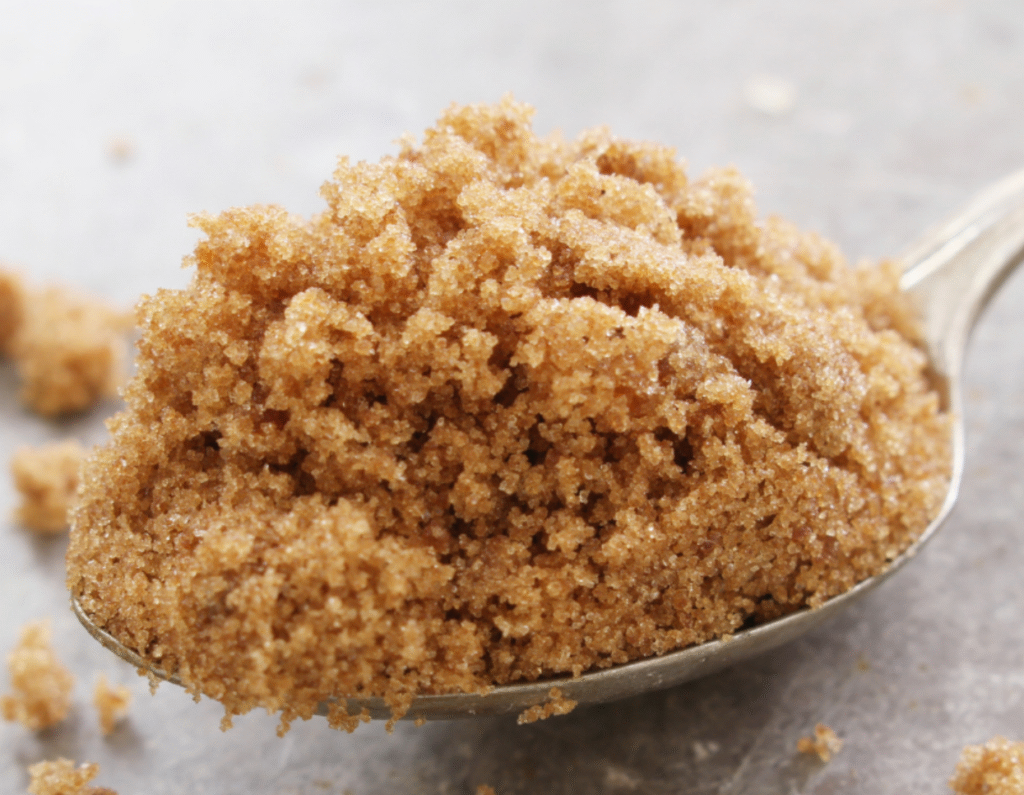
Brown sugar is a type of sugar that’s made by combining white and dark molasses. It has a light tan color with a soft, damp texture and subtle molasses flavor which makes it great for baking. Brown sugar can come in varying forms including light and dark varieties, as well as organic or raw forms.
What is Cane Sugar?

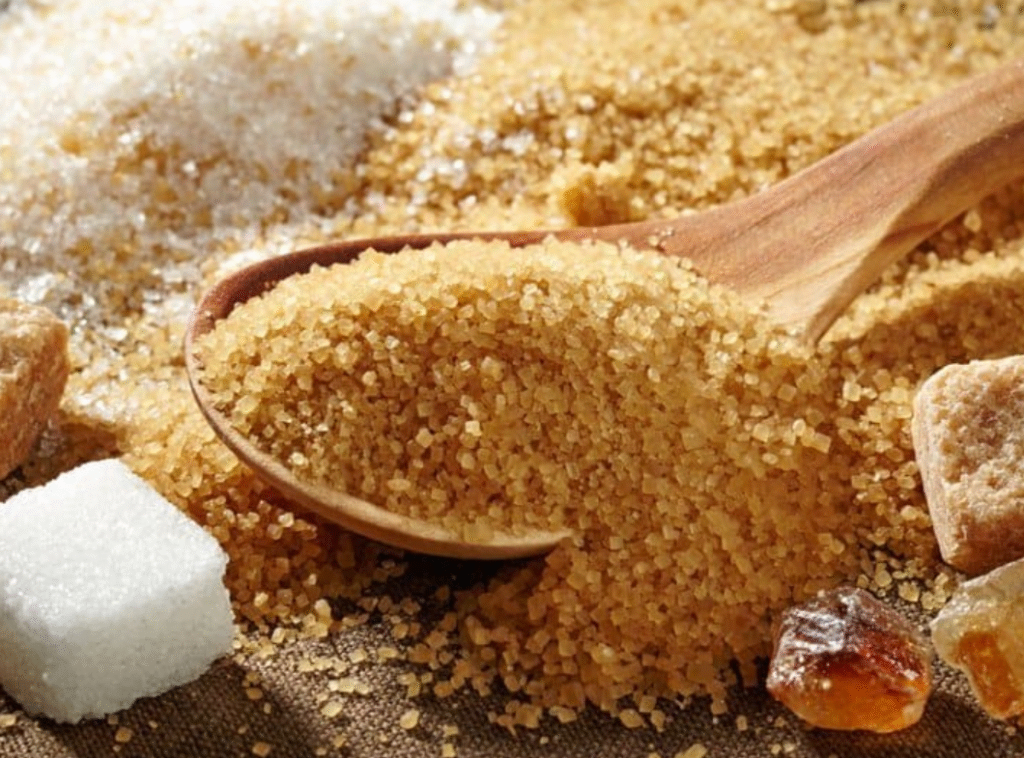
Cane sugar is the most common variety of white granulated sugar used in cooking and baking. It’s made from cane juice that has been processed and refined to remove impurities before being crystallized into its familiar form. Cane sugar also comes in various forms such as powdered, turbinado (raw) and muscovado (unrefined).
Nutritional Comparison
Calories and Macronutrients
Brown sugar has slightly fewer calories per teaspoon compared to cane sugar. However, it does contain more carbohydrates and less protein.
Minerals
Both types of sugars provide minimal amounts of minerals such as calcium, iron and magnesium.
Vitamins
Cane sugar contains trace amounts of vitamin A while brown sugar does not.
Health Benefits
Cane sugar is more processed and refined than brown sugar, making it easier for the body to digest. However, brown sugar still has some health benefits due to its higher levels of antioxidants and minerals.
Production Differences
Process of Manufacturing
Brown sugar is made by combining white and dark molasses to create a syrup, which is then evaporated and the resulting crystals are dried and granulated. Cane sugar is made from cane juice that has been processed and refined to remove impurities before being crystallized into its familiar form.
Environmental Impact
Both brown sugar and cane sugar are made from non-renewable resources, so they both have an environmental impact. However, cane sugar has a higher carbon footprint due to the additional processing and refining steps involved in its production.
Uses In Baking And Cooking
Brown sugar is great for baking because of its moist texture and subtle molasses flavor. It can also be used for glazes, sauces, and marinades. Cane sugar is the most common type of white granulated sugar used in baking and cooking. It’s ideal for cookies, cakes, custards, and other desserts because it melts easily and has a neutral flavor.
Taste Differences
Sweetness Levels
Brown sugar has a slightly higher sweetness level compared to cane sugar.
Flavor Profile
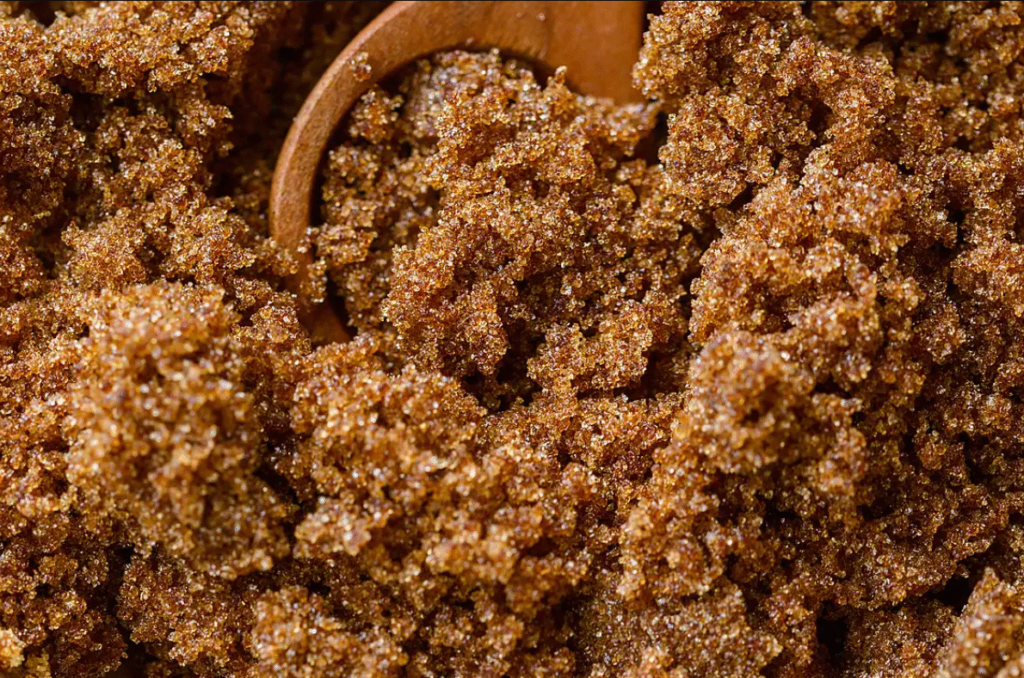
Brown sugar has a subtle molasses flavor that adds depth and complexity to baked goods. Cane sugar has a neutral flavor that doesn’t overpower other ingredients.
Which One Is Healthier?
When it comes to choosing between brown sugar and cane sugar, there is no clear-cut answer. Brown sugar has a higher mineral content and fewer calories per teaspoon compared to cane sugar, but it’s also more processed than its counterpart. Ultimately, the decision should be based on your individual dietary needs as well as how you plan to use the sugar in your cooking or baking.
Tips And Tricks
When baking, it’s important to be aware of the differences between brown sugar and cane sugar so that you can make the best choice for your recipe. Some general tips and tricks include:
- Substituting an equal amount of brown sugar for cane sugar in recipes will result in a softer texture and more moist end product.
- Brown sugar is great for molasses cookies, gingerbread, oatmeal cookies and other baked goods with strong spices or flavors.
- Cane sugar works well in cakes, cupcakes, frostings and other sweet items where a neutral flavor is desired.
- When substituting one type of sugar for another, it’s important to remember that they may not dissolve as quickly or easily. It’s best to mix them together in a bowl or blender before using.
Frequently Asked Questions | Brown Sugar vs Cane Sugar
1. Does one dissolve faster than the other?
Brown sugar contains more water and therefore dissolves better in warm liquid than white granulated sugar does. This makes it ideal for use in hot drinks like tea or coffee. However, if you are making something that doesn’t involve heated liquids such as cakes or cookies, then cane sugar is an excellent choice because of its fine texture which dissolves quickly even at room temperature.
2. Is one sweeter than the other?
In terms of sweetness, brown and white sugars are both equal; they contain almost identical amounts of sucrose (the main type of sugar) per gram.
3. Can they be used interchangeably in baking?
In most cases, yes. Brown and white sugars can typically be used interchangeably in baking recipes without much difference in end results. However, keep in mind that brown sugar will produce a darker baked good (like cakes or cookies), while white sugar will give you lighter-colored goodies.
4. Is one better for making candies?
Brown sugar is ideal for making candies since it has a higher moisture content and won’t get lumpy as quickly as white granulated sugar does when heated at high temperatures. It also adds an extra depth of flavor to the sweet treats due to its molasses content which enhances their sweetness further.
5. What makes one better for making frostings?
Cane sugar is often used to make frostings due to its fine texture which dissolves quickly and gives a smooth consistency, as well as its delicate flavor which won’t overpower the other ingredients. Brown sugar can also be used but it may not give you the same silky finish that you get with white granulated sugar.
6. Are there any other uses for each type of sugar?
Brown sugar can be used in cooking and baking, but it is also great for adding sweetness and flavor to dishes like BBQ sauces or marinades. Cane sugar has many more applications than just baking; it can be used as a natural sweetener in drinks like sodas and juices, and it is also a popular ingredient in many skincare products due to its natural moisturizing properties. In addition, it can be used to make decorative edible items like colored sugar cubes or fondant.
The Bottom Line
Brown sugar and cane sugar both have unique properties that make them great for different types of recipes and cooking applications. Brown sugar has a higher sweetness level and a subtle molasses flavor, while cane sugar is more processed and has a neutral taste. It’s important to be aware of the differences between these two types of sugars so that you can make the best choice for your cooking needs.
Read more at Ohsnap Cupcakes!