Table of Contents
Treat yourself to a truly delicious and succulent cut of beef with two options that are sure to please: beef tenderloin and filet mignon. Both top-tier cuts, these two mouth-watering morsels provide their own unique texture and flavor — but which is the better option for your meal? To help you decide between beef tenderloin and filet mignon, we’re breaking down their individual profiles so you can make an informed decision about what’s best for you.
Let’s start by exploring the differences between these amazing cuts of meat!
What is Beef Tenderloin?
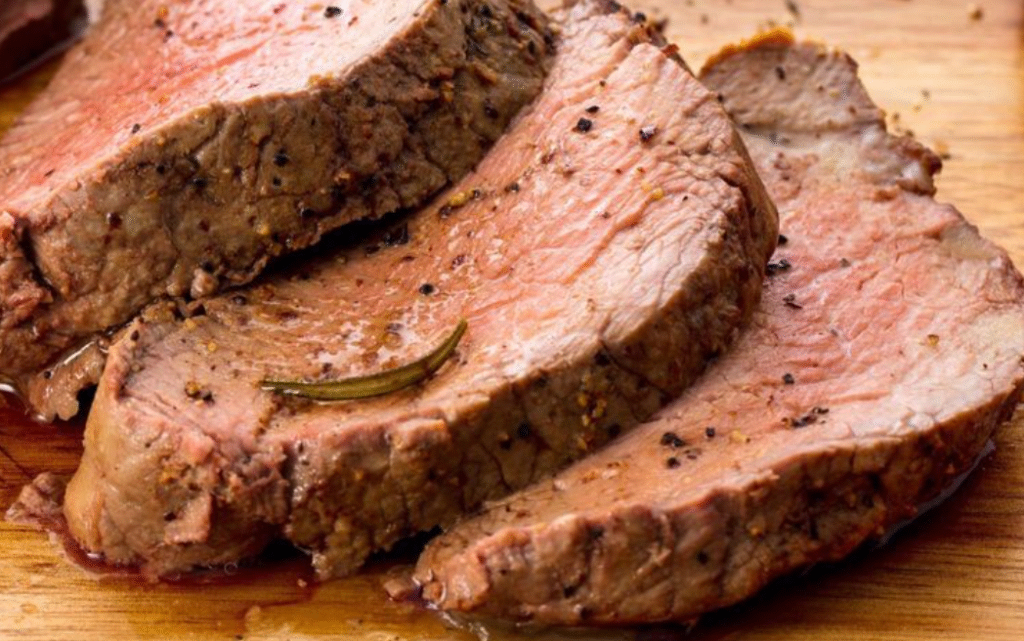
Beef tenderloin is a boneless cut of meat that comes from the loin muscle between the rib and sirloin area. It’s a great option for special occasions because it’s very lean, tender, and mild in flavor. Since there are no bones or fat in this cut, it can be easily trimmed and prepared as desired.
What is Filet Mignon?

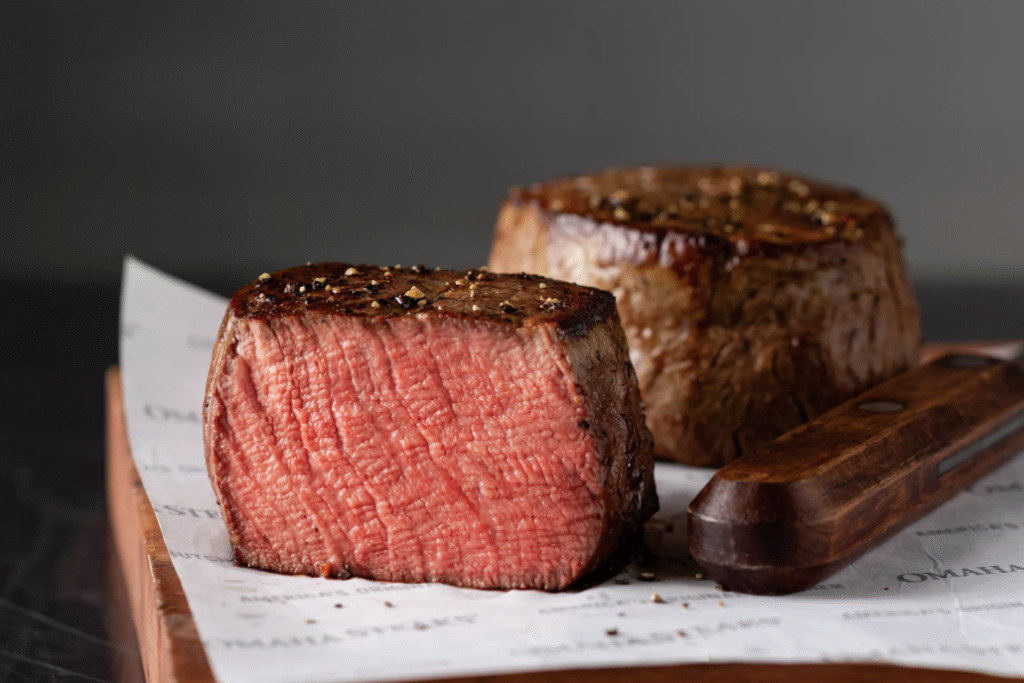
Filet mignon is another popular cut of steak from the same area as the beef tenderloin. However, filet mignon cuts are smaller and more expensive than their beef tenderloin counterparts. This smaller size makes them ideal for individual servings and they also feature an intense flavor profile due to its higher fat content.
Origin of Beef Tenderloin and Filet Mignon
American vs French
When it comes to the origin of these two cuts, there is a bit of a debate. Some argue that beef tenderloin and filet mignon originated in France while others claim they came from the United States. While we may never know for sure, one thing is certain — both are delicious!
Historical Context
Beef tenderloin has been around since at least the 1600s, though it wasn’t until the 1800s that chefs began to fully appreciate its tenderness and flavor. It was in France during this time period that filet mignon became popularized as a smaller, more expensive version of beef tenderloin.
Culinary Qualities

Cost Comparison
When it comes to price, beef tenderloin is the clear winner. Due to its larger size, you can get more bang for your buck with a single cut of beef tenderloin. Filet mignon, on the other hand, is much smaller and thus more expensive per pound.
Texture and Flavor Profile
When it comes to flavor and texture, these two cuts also differ significantly. Beef tenderloin has a milder taste while filet mignon is slightly sweeter due to its higher fat content. In terms of texture, beef tenderloin is incredibly soft and juicy while filet mignon offers a firmer bite that will melt in your mouth.
Cooking Methods
Beef tenderloin and filet mignon can both be cooked in a variety of ways, including grilling, baking, pan-searing, and roasting. The key to cooking either cut is to not overcook it as this can cause the meat to become dry or tough.
Recommended Sauces, Side Dishes and Pairings
No matter which cut you choose, there are endless options for sauces, side dishes and accompaniments. Beef tenderloin pairs particularly well with red wine and mushrooms while filet mignon is best served with a light sauce such as béarnaise or hollandaise. As for sides, mashed potatoes and roasted vegetables are always a classic.
Nutritional Value Comparison
Beef tenderloin and filet mignon are both excellent sources of protein and are low in fat. However, due to its higher fat content, filet mignon is slightly richer in calories than beef tenderloin.
Which One Is Healthier?
When it comes to health, both beef tenderloin and filet mignon can be enjoyed in moderation. However, due to its higher fat content, filet mignon may not be the best choice for those watching their saturated fat intake.
Advice on Which Cut to Choose Depending on the Occasion
For special occasions, beef tenderloin is the clear choice. Its larger size makes it ideal for large gatherings and its mild flavor allows it to pair well with a variety of sauces, side dishes and accompaniments. If you’re looking for an indulgent meal that doesn’t break the bank, filet mignon will be your best bet.
Frequently Asked Questions | Beef Tenderloin vs Filet Mignon
1. Is there any nutritional difference?
Yes, filet mignon has fewer calories per serving than beef tenderloin due to its smaller size and lower fat content. It also contains slightly more protein per ounce compared to beef tenderloin.
2. Are they both suitable for grilling/cooking?
Both cuts are suitable for grilling or cooking, however, filet mignon is better suited for quick-cooking methods such as grilling or pan-searing due to its smaller size.
3. What is the best way to prepare beef tenderloin?
Beef tenderloin can be prepared in many different ways. It’s best cooked either by roasting, grilling or pan searing depending on your preference and desired outcome.
4. What type of seasoning should I use?
The type of seasoning you choose depends on the method of cooking and your personal tastes. Generally speaking, it is recommended to use a dry rub or marinade prior to cooking when using any kind of heat method like grilling or roasting.
5. How do I know when the beef is cooked to the right temperature?
The best way to ensure your meat is cooked through is to use a digital thermometer and measure it at its thickest part. This should be done prior to serving for optimal food safety.
6. What are some popular recipes that feature filet mignon or beef tenderloin?
Beef tenderloin can be used in dishes like steak au poivre, chateaubriand, surf and turf, and bistro steak. Filet mignon is popularly served as an individual meal with accompaniments like mashed potatoes and vegetables, as well as in classic dishes like Beef Wellington. No matter what you decide to prepare, both filet mignon and beef tenderloin are sure to make a delicious meal.
Conclusion
Ultimately, both beef tenderloin and filet mignon are excellent cuts of steak that offer unique qualities in terms of taste, texture and cost. However, when deciding between these two cuts of meat, it all comes down to personal preference. So pick whichever one looks best to you!
Read more at Ohsnap Cupcakes!