Table of Contents
Are you considering baking with almond flour, but not sure what makes it different from all-purpose flour? Here’s the scoop: Almond flour is a type of gluten-free flour that has become popular among home bakers for its nutritional benefits, subtle nutty flavor and denser texture. But, how does it compare to traditional all-purpose flour when it comes to making your favorite recipes?
We break down everything you need to know about brushed wheat vs almond flours in this ultimate guide so that you can make an informed decision on which one will work best for your cooks!
What is Almond Flour?
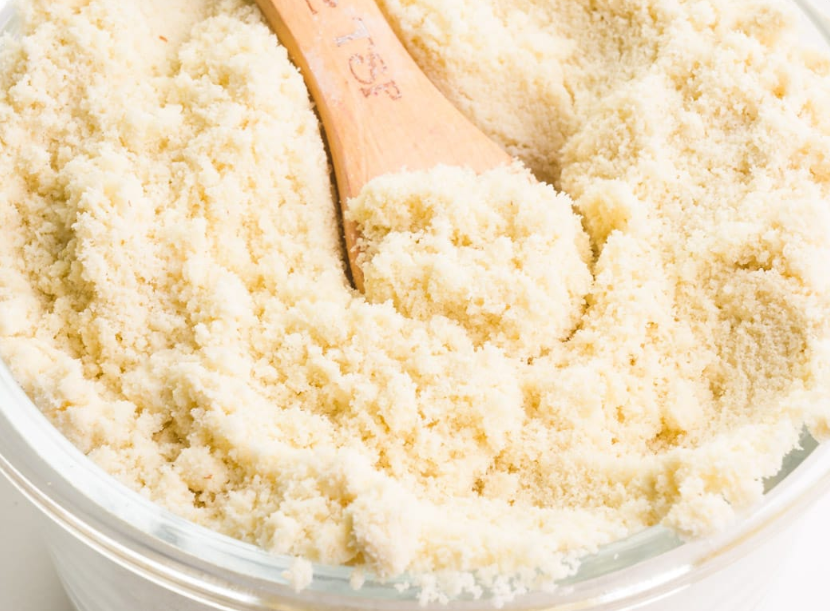
Almond flour is a type of gluten-free, nutty-flavored flour made from finely ground blanched almonds. It can be used as an alternative to wheat flours for baking cakes, cookies and other treats. Because it contains no gluten, almond flour does not bind together in the same way that all-purpose flour does, so you may need to add additional ingredients like xanthan gum or eggs when using it in recipes.
What is All Purpose Flour?

All purpose white flour is a processed grain product made by grinding down wheat kernels into smaller particles. It typically has higher amounts of carbohydrates and less protein than other types of flours making it suitable for quick breads, muffins and other baked goods where a light, fluffy texture is desired. Additionally, it contains gluten which helps to bind and thicken recipes like cakes and pies.
Nutritional Differences
Calories, protein, carbohydrates, fats, vitamins and minerals
Almond flour is lower in calories, protein and carbohydrates than all-purpose flour, but higher in fat and fiber content. Additionally, almond flour is higher in vitamin E, magnesium, manganese and other minerals while all-purpose flour is richer in iron and calcium.
Health benefits
Almond flour is a great choice for people wanting to cut down on their carbohydrate intake or reduce gluten in the diet, as it contains far less carbohydrates and no gluten. Additionally, its higher fat content provides essential fatty acids that are beneficial for overall health. All-purpose flour does have some nutritional value in terms of essential vitamins and minerals but it is also high in carbohydrates, which can lead to weight gain if consumed in excess.
Gluten content
Almond flour is naturally gluten-free as it is made from ground nuts, whereas all-purpose flour contains gluten. Gluten provides structure and stability to baked goods, so if you are looking for a gluten-free option almond flour may be the better choice.
Baking Differences

Substitution ratios
When substituting almond flour for all-purpose flour in a recipe, you need to use a 1:1 ratio. However, because almond flour is denser than all-purpose flour, you may need to add an extra egg or two when using it in recipes that require structure and stability. Additionally, almond flour will give baked goods a more moist texture, so you may need to adjust the baking time accordingly.
Types of recipes that work best
Because almond flour does not contain gluten, it is best to use it in recipes where structure and stability are not an issue. This could include cakes, muffins and cookies, but should be avoided when making breads or other products that require a rise or structure. All-purpose flour works better for most of these types of baked goods as the gluten helps to give them structure.
Which One Is Healthier?
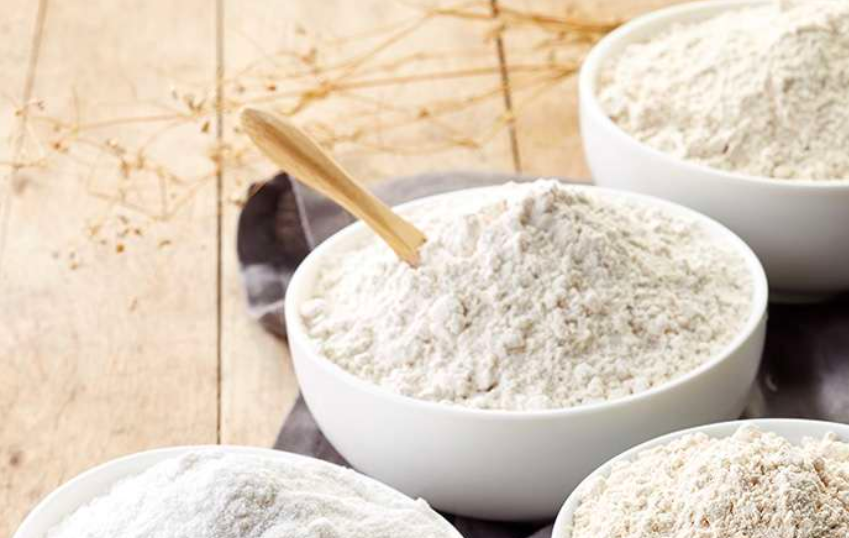
Ultimately, the decision on which of these flours to use comes down to personal preference and dietary needs. Both almond flour and all-purpose flour have their own unique health benefits, so it is important to take this into consideration when deciding which type of flour is right for you. If you are looking for a gluten-free option, almond flour is a great choice, but if you are looking for something with more structure and stability, all-purpose flour may be the better option.
Frequently Asked Questions | Almond Flour vs All Purpose Flour
1. What is almond flour?
Almond flour is a finely ground nut meal made from blanched almonds. It has a light and slightly sweet flavor, and can be used in place of all-purpose flour for baking or cooking. Almond flour is considered gluten-free and lower in carbohydrates than traditional wheat flours.
2. How does almond flour compare to all purpose flour?
Compared to all purpose flour, almond flour contains more healthy fats (monounsaturated fatty acids), protein, fibre, iron, zinc and calcium but fewer carbohydrates and calories. Additionally, almond flour lacks gluten which makes it an ideal choice for those who are following a gluten-free diet or lifestyle.
3. What are the benefits of using almond flour in baking?
Almond flour is an excellent source of healthy fats and protein, making it a great alternative to all-purpose flour when baking. It also has a slightly sweet flavor that adds depth to baked goods, and it has a moisture locking effect which can help keep your desserts moist and fluffy. Furthermore, because there’s no gluten present in almond flour, you don’t have to worry about creating dense or heavy baked goods.
4. Is almond flour healthier than all purpose flour?
Yes, in comparison to all purpose flour, almond flour is higher in healthy fats (monounsaturated fatty acids), protein, fibre, iron, zinc and calcium but lower in carbohydrates and calories. This makes it a healthier alternative to all purpose flour when baking or cooking.
5. Is almond flour gluten-free?
Yes, almond flour is naturally gluten-free since it does not contain wheat or other grains that contain gluten.
6. Can I use almond flour as a direct substitute for all-purpose flour in recipes?
No, almond flour cannot be used as a direct substitute for all-purpose flour as the two flours have different properties and textures which affect the outcome of recipes. Almond flour also requires more liquid than regular wheat flours and will absorb any additional moisture from your recipe ingredients like eggs and butter. Therefore, if using almond flour to replace all purpose flour you should adjust the amount of liquid in your recipe accordingly.
7. What are some common recipes that use almond flour?
Almond flour can be used to make a variety of delicious dishes like cakes, muffins, cookies, breads, pancakes and waffles. Additionally, you can use it as a coating for fried foods or fish filets to give them an extra crunchy texture. It is also commonly used in gluten-free baking recipes since it lacks gluten.
Conclusion
Almond flour and all-purpose flour may be similar in terms of calories, fats, carbohydrates and vitamins and minerals, but they differ significantly when it comes to health benefits, gluten content and baking properties. Almond flour is a great choice for those looking to reduce their carbohydrate intake or avoid gluten, while all-purpose flour is best used in recipes where a rise or structure is needed.
Read more at Ohsnap Cupcakes!